How Much Does a New Roof Cost? Complete Price Guide 2026
Quick answer
A new roof price depends on roof size, slope, tear-off layers, decking repairs, material choice, flashing, ventilation, disposal, access, and local labor. Compare bids by scope and warranty, not only by total price.
Common questions
- Why are roof replacement quotes so different?
- Quotes may handle tear-off, underlayment, flashing, drip edge, decking, ventilation, permits, cleanup, and warranty coverage differently. A lower bid can exclude work that another contractor includes.
- What line items should be on a roof quote?
- Look for material brand and profile, tear-off details, decking allowance, underlayment, flashing, ventilation, disposal, permit handling, workmanship warranty, and cleanup responsibilities.
Source note: Reviewed July 2026 against the article guidance and common roofing trade practice; roof condition, local code, warranty terms, and weather exposure control final decisions.
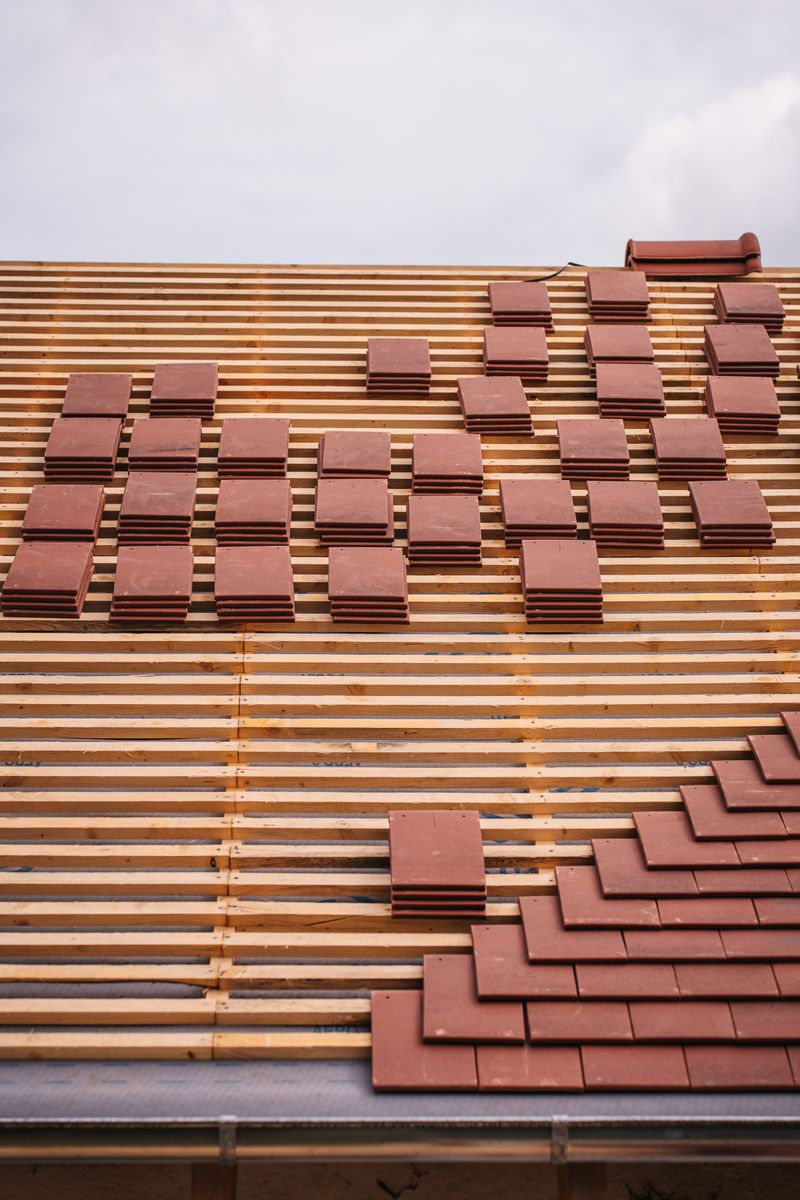
A new roof is one of the largest home improvement investments you’ll ever make. Costs vary widely depending on your home’s size, the materials you choose, your location, and the contractor you hire. This guide breaks down everything you need to know to budget accurately and avoid overpaying.
Average Roof Replacement Cost in 2026
For a typical single-family home, expect to pay:
- Asphalt shingles (3-tab): $5,000–$9,000
- Architectural asphalt shingles: $7,000–$14,000
- Metal roofing (standing seam): $15,000–$30,000
- Wood shakes: $12,000–$22,000
- Slate: $20,000–$50,000+
- Concrete tile: $12,000–$25,000
These figures assume a standard 1,500–2,000 sq ft single-story home. Steeper pitches, more complex rooflines, and two-story homes all add cost.
Slate bids need extra scope detail because structural review, specialist labor, flashing, and the selected product can move the total substantially. Use the natural slate vs synthetic slate comparison to compare feasibility, testing, warranties, and line items before relying on a headline range.
What Drives the Price?
1. Roof Size
Roofing is priced per “square” — one roofing square equals 100 square feet of roof surface. A 2,000 sq ft house typically has 2,200–2,400 sq ft of actual roof area once you account for pitch and overhangs.
2. Material Choice
Material is the single biggest cost lever. Asphalt shingles are the most affordable and most popular. Metal roofing costs more upfront but lasts 40–70 years compared to 20–30 for asphalt. Slate is the most durable but also the most expensive and heaviest.
3. Labor Costs
Labor typically accounts for 40–60% of total project cost. Rates vary significantly by region:
- Northeast / West Coast: $150–$350 per square
- Midwest / Southeast: $100–$200 per square
Always request at least three written estimates from licensed, local contractors and verify insurance before signing.
4. Tear-Off and Disposal
If your existing roof needs to be removed (rather than having new shingles layered over old ones), expect to add $1–$2 per sq ft for tear-off and disposal fees. Most areas allow only two layers of shingles before a full tear-off is required by code.
5. Deck Repairs
Once old shingles are removed, rotten or damaged plywood decking often needs replacing. Budget $70–$100 per sheet of plywood for repairs discovered during the job.
6. Flashing, Underlayment, and Accessories
A quality installation includes:
- Ice and water shield at eaves, valleys, and penetrations
- Synthetic underlayment over the full deck
- New flashing at chimneys, skylights, and walls
- Ridge ventilation and soffit vents for proper airflow
Cutting corners on these components is a common way “cheap” bids come in low — and lead to premature failures.
Roof Cost by Size
| Home Size (sq ft) | Estimated Roof Area | Asphalt Cost | Metal Cost |
|---|---|---|---|
| 1,000 | ~1,100 sq ft | $4,000–$7,000 | $10,000–$18,000 |
| 1,500 | ~1,650 sq ft | $6,000–$10,000 | $14,000–$24,000 |
| 2,000 | ~2,200 sq ft | $8,000–$14,000 | $18,000–$32,000 |
| 2,500 | ~2,750 sq ft | $10,000–$17,000 | $22,000–$40,000 |
| 3,000 | ~3,300 sq ft | $12,000–$20,000 | $27,000–$48,000 |
Ways to Reduce Your Roof Replacement Cost
Get multiple quotes. Prices can vary by 20–40% between contractors for identical work. Never accept the first quote.
Time your project strategically. Late fall and winter are typically slower for roofers, and some offer discounts during the off-season.
Ask about manufacturer rebates. Shingle manufacturers like GAF, CertainTeed, and Owens Corning run promotional programs. Your contractor may be able to pass savings along.
Check your homeowner’s insurance. If your roof was damaged by hail, wind, or another covered peril, your insurer may cover a significant portion of the replacement cost. Always file before signing a contractor agreement.
Consider a partial replacement. If only one section is damaged, a skilled roofer can often replace that section and match existing shingles closely enough that the difference isn’t visible.
Quote Line Items to Compare
Two roof quotes can look similar at the total but cover very different scopes. Ask each contractor to break out:
| Line item | Why it matters |
|---|---|
| Tear-off layers | Multiple layers increase labor and dump fees |
| Deck replacement allowance | Rotten plywood is often priced per sheet |
| Underlayment and ice barrier | Cold and storm-prone climates need better protection at eaves and valleys |
| Flashing replacement | Reusing old flashing can shorten the life of a new roof |
| Ventilation changes | Poor attic ventilation can void warranties or shorten shingle life |
| Cleanup and magnet sweep | Nails left behind are a common homeowner complaint |
| Warranty terms | Separate workmanship coverage from manufacturer material coverage |
The lowest bid is not the best value if it excludes flashing, ventilation corrections, disposal, or permit requirements that another contractor included.
Cost Factors Homeowners Miss
Roof steepness, access, landscaping protection, skylights, chimneys, solar panel removal, and regional code upgrades can all change the final price. A simple gable roof with one layer of shingles is much cheaper to replace than a steep, cut-up roof with valleys, dormers, and multiple penetrations.
Budget Scenarios
| Scenario | What to expect |
|---|---|
| Basic architectural shingle replacement | Lowest cost when decking is sound, access is easy, and flashing is simple |
| Storm-damage replacement | Insurance may cover covered damage, but deductible, upgrades, and uncovered wear remain your responsibility |
| Premium asphalt system | Higher shingle cost plus upgraded underlayment, ventilation, and manufacturer warranty requirements |
| Metal roof conversion | Higher labor, trim, panel, and flashing costs, especially around dormers and skylights |
| Older home with unknown decking | Build in a contingency for plywood, fascia, soffit, and ventilation corrections |
Set aside a contingency of at least 10% if the roof is old, has leaked before, or has more than one layer of shingles. Contractors cannot price hidden deck rot accurately until the old roof is removed.
If cash flow is tight, prioritize waterproofing, flashing, and ventilation over cosmetic upgrades.
Those choices protect the house first.
Is It Time to Replace or Just Repair?
Repairs are appropriate when:
- Damage is isolated to a small area (under 30% of the roof)
- The roof is less than 15 years old and otherwise in good condition
- The underlying deck is solid
Full replacement makes more sense when:
- The roof is near or past its expected lifespan
- You’re seeing widespread granule loss or curling shingles
- You’ve had multiple leaks in different areas
- The deck has widespread moisture damage
Financing Your New Roof
Options include:
- Home equity loan or HELOC — typically lowest interest rates if you have equity
- Manufacturer financing — some shingle brands offer zero-interest promotional periods through contractor networks
- Personal loan — faster approval but higher rates
- Contractor payment plans — varies widely; read terms carefully
Avoid contractors who pressure you into financing arrangements before the job begins.
Getting accurate quotes, understanding what’s included, and knowing when insurance applies can save thousands on a roof replacement. Take your time, compare bids carefully, and prioritize long-term value over the lowest upfront number.
2026 decision refresh
Quick decision: a new roof budget should separate the roof covering from the roof system. Underlayment, flashing, ventilation, decking repairs, disposal, permits, and storm-resilience upgrades can change the real value more than the shingle color or brand tier.
| Decision point | Lowest-risk approach | Ask for this in writing |
|---|---|---|
| Asphalt vs metal | Compare life-cycle cost, not only installed price | Material, underlayment, flashing, and warranty terms |
| Storm-prone region | Consider sealed deck, enhanced edge metal, and better attachment | Whether the scope follows a recognized high-wind standard |
| Older roof with leaks | Budget a decking contingency | Per-sheet decking price and photo documentation |
| Hot sunny climate | Evaluate cool-roof options where appropriate | Product reflectance, attic ventilation, and warranty compatibility |
Source note: IBHS roof guidance emphasizes roof-deck sealing, edge protection, and stronger attachment for severe weather. ENERGY STAR cool-roof guidance focuses on solar reflectance and thermal emittance, which matter most in cooling-dominated climates.
Related tool and guides
- Storm damage roof inspection checklist - document roof, attic, gutter, and exterior conditions before meeting contractors or an insurer.
- Roof repair cost - compare repair vs replacement thresholds.
- How to finance a new roof - evaluate payment structures without pressure.
- Fortified roof cost, grants, and insurance discounts - relevant for high-wind and hail regions.
See Also
- How to find a good roofing contractor — how to vet bids, spot red flags, and hire someone you can trust
- How to file a roof insurance claim — if storm damage is driving the replacement, understand how to navigate the claims process before signing a contractor agreement
- How long does a roof last? — lifespan data for every material to help you evaluate true long-term cost
Compare roof replacement estimates line by line
These resources help turn broad roof cost ranges into a written scope with materials, tear-off, ventilation, and warranty details.
- Roof replacement estimate worksheet
Use the worksheet to compare tear-off, decking, flashing, ventilation, cleanup, and warranty terms.
- Roof inspection cost
Use inspection findings to understand what should appear in replacement bids.
- Standing seam vs. corrugated metal roofing
Compare metal-roof system details when asphalt is not the only option.
- How to find a roofing contractor
Review contractor vetting questions before choosing among estimates.

Shingle Science Editorial Team
Independent trade-focused editorial team