Standing Seam vs Corrugated Metal Roofing: Which Is Right for You?
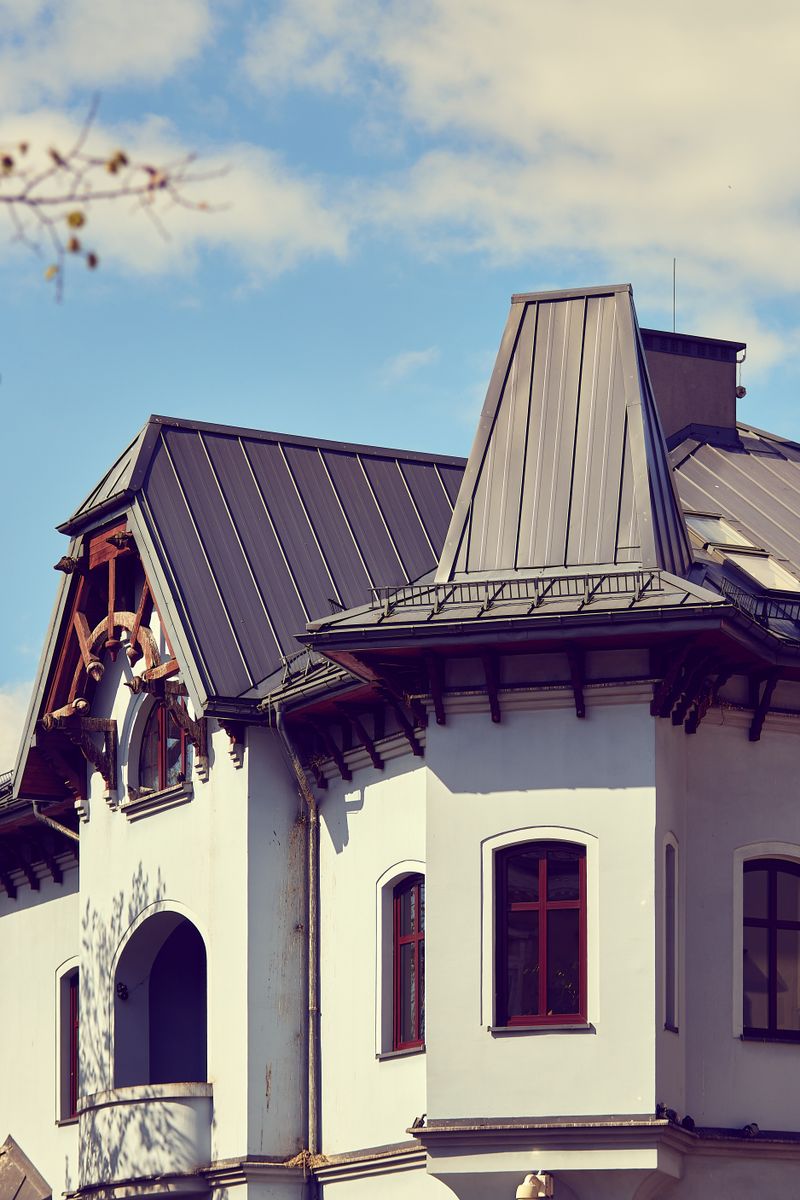
Metal roofing has had a cultural moment over the past decade, expanding from agricultural and commercial buildings into mainstream residential architecture. And for good reason — modern metal roofing offers exceptional longevity (40–70 years), superior wind resistance, and energy-saving reflectivity that asphalt simply can’t match.
But “metal roofing” isn’t one thing. The two most widely installed types — standing seam and corrugated metal — are meaningfully different products with different price points, installation methods, performance characteristics, and appropriate use cases. Choosing the wrong one for your project can mean either overspending unnecessarily or underspecifying and getting failures you didn’t bargain for.
Here’s what you need to know to choose correctly.
What Is Corrugated Metal Roofing?
Corrugated metal panels have the classic ridged, wave-like profile most people picture when they think of metal roofing. The profile creates rigidity from thin metal — typically 26- or 29-gauge steel — and the ridges channel water effectively down the slope.
Corrugated panels are installed with exposed fasteners: screws or nails that penetrate through the face of the panel into the substrate. Each fastener has a rubber or neoprene washer that compresses to form a seal around the hole.
Corrugated metal is the most economical metal roofing option. Material cost runs roughly $1.50–$3.50 per square foot, and total installed cost typically ranges from $8,000–$15,000 for a standard residential roof — though this varies significantly with roof complexity, slope, and region.
What Is Standing Seam Metal Roofing?
Standing seam is a premium metal roofing system where individual panels run vertically from eave to ridge and connect to each other through raised seams — typically 1 to 2 inches high — that lock together mechanically or through snap engagement. The critical difference: there are no exposed fasteners in the field of the roof.
Panels are attached to the substrate through concealed clips that allow for thermal expansion and contraction — a major engineering advantage over exposed-fastener systems. The raised seams shed water naturally and eliminate the single greatest long-term failure point of corrugated roofing: fastener penetrations.
Standing seam uses heavier gauge steel (24 gauge is standard), aluminum, zinc, or copper. Total installed cost ranges from $15,000–$30,000 for a typical home, with premium materials (Kynar-coated steel, copper, zinc) pushing well above that.
Side-by-Side Comparison
| Factor | Corrugated Metal | Standing Seam |
|---|---|---|
| Installed cost (typical home) | $8,000–$15,000 | $15,000–$30,000+ |
| Material thickness | 26–29 gauge | 22–26 gauge |
| Fastener type | Exposed, through-panel | Concealed clips |
| Panel width | 26–36 inches | 12–18 inches |
| Thermal movement | Restricted by fasteners | Free to expand/contract |
| Lifespan | 30–45 years | 40–70 years |
| Warranty (typical) | 10–30 years | 30–50 years |
| Wind resistance | Good (varies by fastener pattern) | Excellent |
| Water resistance | Good if fasteners maintained | Excellent |
| Maintenance needs | Moderate (fastener inspection) | Low |
| DIY installation possible? | Yes (with skill) | No — professional only |
| Appearance | Industrial, agricultural, rustic | Clean, modern, architectural |
| Re-roofability | Less flexible | Fully re-roofable |
The Fastener Exposure Problem
This is the central technical distinction between the two systems, and it matters more than anything else for long-term performance.
Exposed fasteners create 30–50 penetration points per square of roofing (100 sq ft). Each penetration is a potential leak if:
- The washer compresses unevenly at installation
- The washer degrades from UV exposure over time (neoprene typically lasts 15–20 years)
- The fastener backs out slightly due to thermal cycling
- The fastener corrodes if incompatible metals are in contact
None of these failures are catastrophic — a failed washer causes a drip, not a flood — but they do require periodic inspection and re-driving or replacing fasteners over the roof’s life. On a 2,000 sq ft roof, you might have 1,500–2,500 individual fasteners. That’s a maintenance commitment.
Standing seam eliminates all of this. The clips are hidden, the seams are water-shedding by design, and the only penetrations in the system are at the edges and at roof penetrations (vents, stacks, HVAC curbs) — which exist on every roof type.
Wind Performance
Both systems outperform asphalt shingles in high-wind environments, but they do so differently.
Corrugated metal achieves high wind ratings through fastener density and panel interlocking. Installed correctly per manufacturer specifications — which often specify fastener spacing patterns at edges and field — corrugated panels can achieve ratings from 90 mph to 160 mph depending on panel profile and gauge.
Standing seam achieves high wind ratings through the mechanical or snap-lock seam engagement. The panels can’t peel back from wind uplift at panel edges the way exposed-fastener panels can if fasteners are driven at incorrect angles. Premium standing seam systems achieve 160 mph+ ratings and are often specified for hurricane-prone coastal applications.
If you’re in a FEMA wind zone or a coastal area with mandatory wind rating requirements, verify the specific system’s rating with the manufacturer’s UL or FM Global test documentation — not just a sales claim.
Appearance and Architecture
Aesthetic match to the structure matters, and the two systems look very different.
Corrugated metal has an unambiguously industrial and agricultural character. On a farmhouse, barn conversion, or cabin with a rustic or utilitarian design language, corrugated is at home and looks intentional. On a traditional Colonial or Craftsman bungalow in a suburban neighborhood, it can look out of place or invite HOA objections.
Standing seam has a cleaner, more architectural appearance that works on a much broader range of home styles — from contemporary minimalist to traditional residential. The vertical panel lines and crisp raised seams read as a premium finish rather than a utilitarian choice. It’s also the standard specification for most commercial and institutional buildings.
If your home is in a planned community with an HOA, check the CC&Rs before specifying corrugated — many HOAs prohibit it or require prior approval.
Installation Considerations
Corrugated Metal
Corrugated panels are cut to length and overlap at horizontal joints (on lower slopes) or run eave-to-ridge in a single piece on shorter runs. Installation requires:
- Metal roofing screws with rubber washers — use the manufacturer-specified type for your panel material; don’t substitute
- A screw gun with a hex driver (not a drill — speed and torque control matter)
- Metal snips or a circular saw with a metal-cutting blade for cuts
- Proper underlayment (synthetic or vented underlayment to prevent condensation)
- Ridge cap, eave trim, and rake trim flashing
Corrugated installation is achievable for a skilled DIYer, but proper fastener seating — tight enough to compress the washer without overtightening and mushrooming it — takes practice. Overtightened fasteners are as problematic as loose ones.
Standing Seam
Standing seam panels are typically roll-formed on-site by the installer using a portable roll-forming machine. This produces panels cut to the exact length needed — no horizontal lap joints in most applications. Clips are attached to the substrate, panels hang over them, and seams are engaged either by hand or with a mechanical seamer tool.
Standing seam is not a DIY project. The panel forming equipment costs thousands of dollars, and the clip placement and seam engagement require training to execute correctly. Improper installation — particularly improper clip spacing, which restricts thermal movement — is the primary cause of standing seam failures.
Hire a contractor with documented standing seam experience and manufacturer certification if possible.
Which Material Works Best?
Corrugated metal is the right choice when:
- Budget is a primary constraint and you want metal’s longevity over asphalt at a lower price
- The building has an agricultural, industrial, or rustic character
- You’re roofing an outbuilding, barn, shop, or secondary structure
- You want the option of owner-installation
- The roof geometry is simple (few penetrations, minimal valleys)
Standing seam is the right choice when:
- You want the best long-term performance and minimal maintenance
- The structure is a primary residence or commercial building
- You’re in a high-wind or coastal environment
- The design calls for a clean, architectural aesthetic
- You plan to install solar panels (standing seam accepts clamp-on solar mounts without roof penetrations)
- Budget allows for the premium investment
A Note on Solar Integration
If solar panels are in your future plans — even 5–10 years from now — standing seam is worth serious consideration. Standing seam accommodates clamp-on solar rail systems that attach directly to the seams without drilling any holes in the roof. This is significantly superior to through-fastened solar mounting on corrugated panels, which creates new penetrations that must be carefully waterproofed and maintained.
Useful Products for Metal Roofing Projects
- Corrugated metal roofing panels — available in various colors and gauges
- Metal roofing screws with EPDM washers
- Metal roofing closure strips (foam) — seal the corrugated profile at ridges and eaves
- Synthetic roofing underlayment — required under most metal roofing systems
Both corrugated and standing seam metal roofing will outlast most other roofing products on the market today. The choice comes down to budget, aesthetics, maintenance tolerance, and the nature of the structure. Get the spec right for your situation, have it installed by experienced hands, and you’ll likely never need to think about your roof again for decades.

ShingleScience Team
Roofing Contractor & Founder of ShingleScience