How Long Does a Roof Last? Lifespan by Material
One of the most common questions homeowners ask is simple: how long should my roof last? The answer depends heavily on what your roof is made of, how well it was installed, your local climate, and how consistently you maintain it. Here’s what you need to know about every major roofing material.
Roof Lifespan by Material
Asphalt Shingles (3-Tab)
Expected lifespan: 15–20 years
Three-tab asphalt shingles are the most affordable roofing option and the most widely installed in North America. Their flat, uniform profile makes them lightweight and easy to install, but they’re also the least wind-resistant and shortest-lived of the shingle family.
In harsh climates with temperature extremes or frequent hail, expect the lower end of this range.
Architectural (Dimensional) Asphalt Shingles
Expected lifespan: 25–30 years
Architectural shingles are thicker, heavier, and more wind-resistant than 3-tab shingles. They’re now the default choice for most residential re-roofing projects and carry better manufacturer warranties — typically 30–50 years (though “lifetime” warranties come with significant prorated terms).
Premium Asphalt Shingles
Expected lifespan: 30–40 years
High-end asphalt products like Class 4 impact-resistant shingles or luxury shingles designed to mimic slate can last significantly longer and may qualify for homeowner’s insurance discounts in hail-prone areas.
Metal Roofing (Standing Seam)
Expected lifespan: 40–70 years
Standing seam metal roofing is one of the most durable options available. The concealed fastener system eliminates exposed screw penetrations, and quality steel or aluminum panels resist wind, fire, and impact far better than shingles. Many metal roofs outlast the homes they’re installed on.
Metal Roofing (Exposed Fastener / Corrugated)
Expected lifespan: 25–40 years
Corrugated steel or exposed fastener panels are popular for agricultural buildings and sheds but are also used residentially. Exposed screws with rubber washers are the weak point — they can loosen, crack, or corrode over time and need periodic inspection.
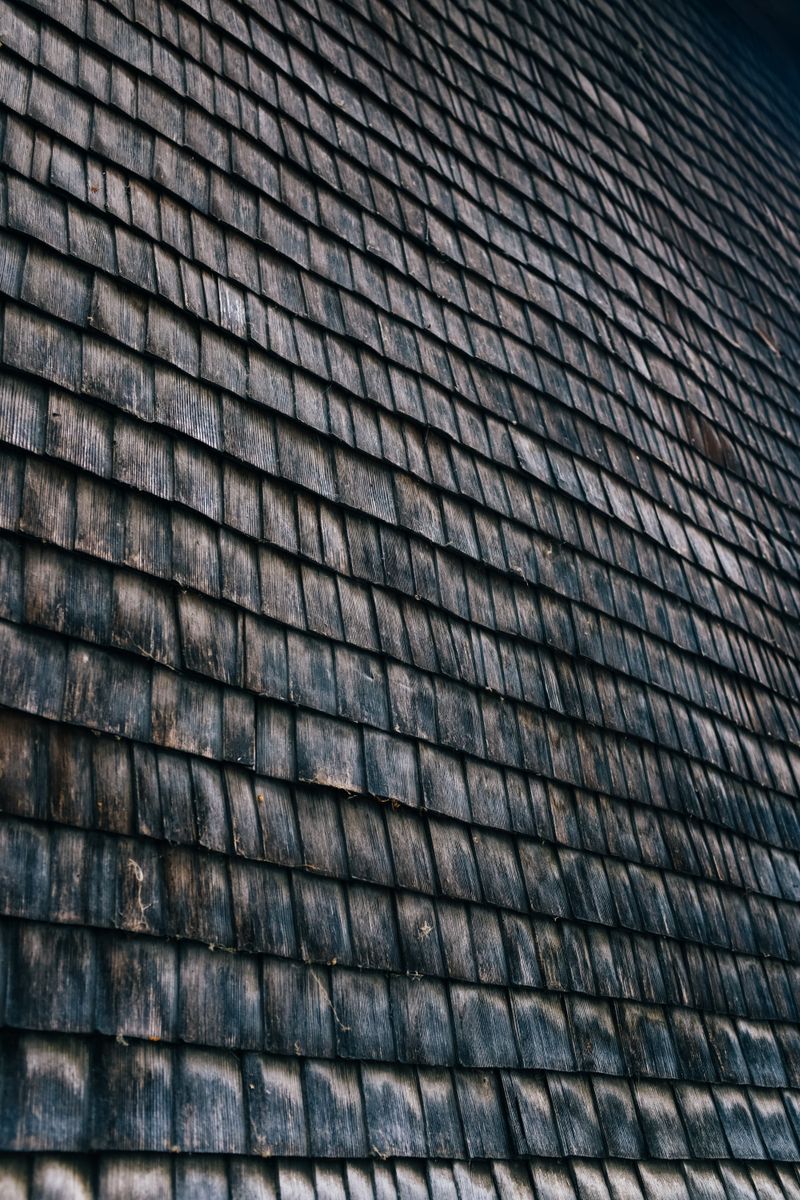
Wood Shakes and Shingles
Expected lifespan: 20–30 years
Cedar and other wood roofing materials are attractive and perform well in temperate climates. However, they require more maintenance than most other materials — periodic treatment with preservatives and fungicides is essential in humid regions. Wood is also a wildfire risk; some municipalities no longer permit new wood shake installations.
Concrete Tile
Expected lifespan: 40–50 years
Concrete tiles are extremely durable and perform well in warm, dry climates (hence their popularity in Florida, California, and the Southwest). The tiles themselves rarely fail; the underlayment beneath them — typically a 30-year product — often needs replacement before the tiles do.
Clay Tile
Expected lifespan: 50–100 years
Traditional clay tile is one of the longest-lasting roofing materials available. Historic clay tile roofs in Europe routinely exceed 100 years with minimal maintenance. The primary limitation is weight — clay tile requires reinforced roof framing and is unsuitable for many standard wood-frame homes without structural upgrades.
Slate (Natural)
Expected lifespan: 75–150+ years
Natural slate is the gold standard for roof longevity. A properly installed slate roof on a well-maintained structure can last a century or more. The cost is steep and installation requires specialized expertise, but for historic homes or long-term ownership, the lifetime value calculation often favors slate.
TPO / EPDM (Flat Roofs)
Expected lifespan: 15–30 years
Membrane roofing systems for low-slope or flat roofs vary by product and installation quality. EPDM (rubber) membranes typically last 20–25 years; TPO (thermoplastic) systems 15–20 years. Both are vulnerable at seams and penetrations.
What Shortens Roof Lifespan?
Poor installation is the number one cause of premature roof failure — more than any weather event or material quality issue. An improperly installed high-end shingle will fail faster than a correctly installed budget product.
Inadequate ventilation traps heat and moisture in the attic. Excessive heat buildup bakes shingles from the underside, dramatically shortening their life. Improper ventilation also contributes to ice dams in cold climates.
Neglected maintenance allows small issues — clogged gutters, cracked flashing, missing shingles — to escalate. A $200 flashing repair left unaddressed can become a $5,000 deck replacement within two or three seasons.
Climate extremes accelerate wear. Thermal cycling (repeated freeze-thaw), UV exposure, high winds, and hail all stress roofing materials. A roof in Phoenix faces different stress than the same roof in Minneapolis.
Overhanging trees cause physical damage from falling branches and accelerate biological growth (moss, algae, lichen) by keeping the roof shaded and moist.
Signs Your Roof Is Nearing End of Life
- Curling or cupping shingles — the edges or centers of shingles are lifting
- Significant granule loss — bald patches visible, gutters full of granules
- Widespread cracking or brittleness
- Sagging areas on the roof plane
- Daylight visible in the attic
- Multiple leaks in different locations
- Age — if your roof is within 5 years of the end of its rated lifespan, planning for replacement now is smarter than reacting to a failure
Repair vs. Replace: A Simple Rule
If the damage is isolated and the roof is under two-thirds of its expected lifespan, repair. If damage is widespread, the roof is old, or you’ve been patching the same areas repeatedly, replacement is almost always the better investment.
Maintenance Schedule by Roof Age
| Roof age | What to do |
|---|---|
| 0-5 years | Keep gutters clear, document installation paperwork, and watch for workmanship issues |
| 5-15 years | Inspect flashing, pipe boots, sealant, and attic ventilation every year |
| 15-25 years | Budget for larger repairs and photograph shingle wear each season |
| Near expected end of life | Get a professional inspection before storm season and start replacement planning |
Most roofs do not fail because every shingle expires at once. They fail at penetrations, valleys, edges, and poorly ventilated attic areas first. Annual inspection of those weak points can add years to an otherwise serviceable roof.
What Shortens Lifespan Fastest?
Poor attic ventilation, clogged gutters, overhanging branches, repeated ice dams, and delayed flashing repairs shorten roof life more than normal weathering. South- and west-facing slopes often age faster because they absorb more sun. Shaded slopes may develop moss or hold moisture longer. Track each slope separately instead of assuming the whole roof ages evenly.
Keep dated photos from the same angles each year so subtle curling, granule loss, or staining is easier to compare.
Knowing your roof’s material and age is the starting point for any maintenance plan. If you’re unsure what your roof is made of or how old it is, a professional inspection — most roofers offer them free — will give you a clear picture of where things stand.
See Also
- Signs you need a new roof — specific warning signs that your roof is approaching or past its useful life
- How much does a new roof cost? — when replacement becomes necessary, here’s what to budget for every material type
- Roof ventilation guide — poor ventilation is one of the leading causes of premature roof failure, regardless of material

Shingle Science Editorial Team
Independent trade-focused editorial team