How Much Does a Professional Roof Inspection Cost in 2026?
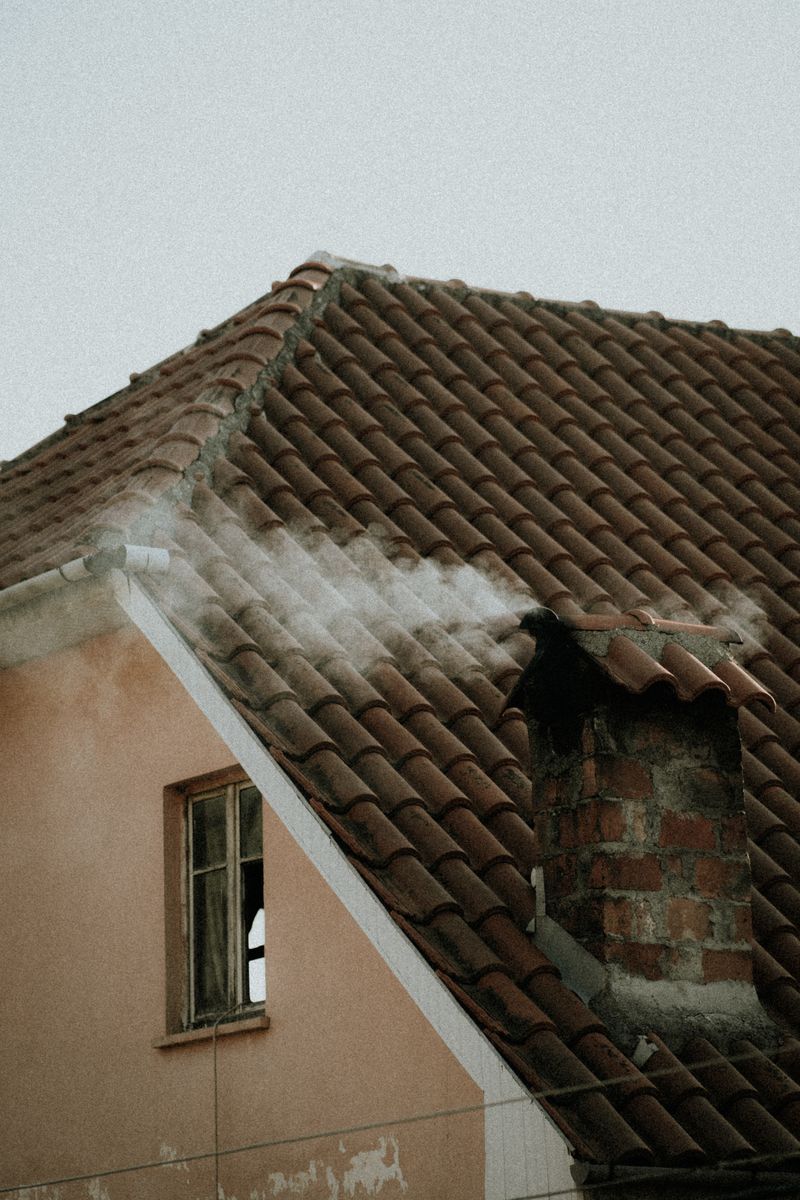
A professional roof inspection is one of the most asymmetric investments in home ownership. You pay $150 to $400 to find out whether your roof needs a $500 repair or a $15,000 replacement — before the damage gets worse and before you’re making the decision under pressure. Yet most homeowners only call for an inspection after something goes wrong.
This guide covers what a roof inspection costs in 2026, what you get for that money, when inspections are free, and how to choose the right type of inspector for your situation.
Average Roof Inspection Cost in 2026
| Inspection Type | Typical Cost Range |
|---|---|
| Standard contractor inspection | $150–$350 |
| Certified roof inspector (RCI, NRCA) | $250–$500 |
| Home inspector (as part of a home purchase) | $300–$500 (full home inspection) |
| Drone inspection only | $150–$300 |
| Insurance adjuster inspection | Free (insurance-initiated) |
| Post-storm contractor inspection | Often free |
The national average for a standalone professional roof inspection runs about $220–$280 in 2026, though costs vary significantly by region. Inspections in major metro areas (New York, Los Angeles, Chicago) tend to run 20–40% higher than the national average, while rural and smaller markets trend lower.
Square footage affects cost moderately — a 3,500 sq ft home with a complex roofline with dormers, multiple penetrations, and steep pitches will cost more to inspect than a simple 1,200 sq ft ranch.
What a Professional Roof Inspection Includes
A thorough professional inspection covers three areas: the exterior roof surface, the attic and structural components, and a written report.
Exterior Inspection
The inspector physically walks the roof (where pitch allows) or uses a drone/binoculars for steep pitches. They document:
- Shingle condition: Missing, cracked, curled, or blistered shingles. Granule loss and bare patches. Evidence of improper repairs.
- Flashing: Condition of step flashing along walls, valley flashing, chimney flashing, pipe boot flashings, and skylight flashing. Flashing failures are the leading cause of roof leaks.
- Ridge and hip caps: Condition of cap shingles, any lifting or seal failure.
- Penetrations: Every pipe, vent, and exhaust penetration and its flashing.
- Gutters: Attachment, slope, condition of seams, and downspout function.
- Fascia and soffit: Signs of rot, moisture damage, or pest intrusion.
- Drip edge: Presence and condition.
Attic Inspection
A proper inspection goes inside the attic as well. The inspector looks for:
- Water staining on rafters, decking, or insulation — evidence of past or current leaks
- Deck condition: Soft, spongy, or delaminating plywood indicates moisture damage that may require deck replacement
- Ventilation adequacy: Intake (soffit) and exhaust (ridge, box, or power vents) balanced airflow
- Insulation condition: Whether it’s wet, compressed, or contaminated by animal intrusion
- Air leaks: Gaps around penetrations that allow warm, humid air to enter the attic
Written Report
Any professional inspection worth paying for includes a written report with:
- Photographs of every significant condition found
- A summary of current condition and estimated remaining service life
- Specific repair recommendations with priority levels
- Whether the roof is insurable in its current condition (relevant for home sales)
If an inspector doesn’t provide a written report with photos, you’re not getting full value.
Drone Inspections vs. Physical Walk
Drone inspections have become increasingly common since the early 2020s, and they offer genuine advantages in certain situations — but they’re not a replacement for a physical inspection in every case.
Drone Inspections Are Best For:
- High-pitch roofs (above 8:12) where walking is dangerous
- Initial screening after a storm to quickly assess visible damage extent
- Documentation for insurance claims — drone footage provides compelling evidence
- Multi-building commercial properties where walking takes significant time
Where Drones Fall Short:
- A drone cannot assess the structural condition of the decking beneath the shingles
- Drones don’t detect soft spots, spongy decking, or delamination
- Attic inspection is obviously impossible from a drone
- Subtle conditions like micro-cracking, nail pops, and minor sealant failure are harder to detect from aerial footage
- Drone operators are not necessarily roofing experts — the interpretation of what’s seen matters as much as the footage itself
Best practice: Use drone footage for insurance documentation and initial damage assessment. Use a physical inspection for a complete condition assessment before a sale, a major repair decision, or a re-roofing decision.
When Roof Inspections Are Free
After a Hailstorm or Major Wind Event
Most reputable roofing contractors will inspect your roof for free after a significant storm. Their business model: if they find damage, they want the job. This isn’t inherently bad — legitimate contractors can identify real damage and help you navigate the insurance process. The risk is that unscrupulous contractors (especially the storm-chaser variety that shows up door-to-door after hail events) will claim damage that doesn’t exist or inflate the scope.
How to protect yourself: Get at least two free inspections from separate contractors. If both find similar damage, it’s almost certainly real. If one finds $15,000 in damage and another finds none, approach the first estimate with skepticism.
Insurance-Initiated Inspections
When you file an insurance claim for roof damage, your insurer will send an adjuster to assess the damage. This inspection is free, but the adjuster works for the insurance company, not for you. Their incentive is to minimize the claim. You have the right to have your own contractor or a public adjuster present during this inspection.
Real Estate Transactions
If you’re buying a home, a general home inspection (which includes a basic roof assessment) typically costs $300–$500 for the full inspection. The roof portion of a home inspection is usually less thorough than a dedicated roof inspection — general home inspectors observe from grade or at most from the eave line, while a roofing contractor or certified inspector will physically examine the surface.
For any home older than 15 years, it’s worth paying for a separate dedicated roof inspection in addition to the general home inspection. The potential cost difference between a roof in good shape and one that needs replacement ($10,000–$20,000+) justifies the extra $200–$300.
Types of Roof Inspectors: Who to Hire
Roofing Contractor Inspection
Best for: Identifying needed repairs, getting repair cost estimates, storm damage documentation for insurance.
Most roofing contractors will inspect free or for a nominal fee, especially if repair or replacement work is likely. They bring hands-on installation knowledge and can assess whether specific conditions require repair or monitoring. The potential conflict of interest (they want to sell you a job) is real but usually manageable with multiple estimates.
What to look for: Licensed and insured in your state, established local business (not a traveling storm chaser), willing to provide a written report.
Certified Roof Inspector
Best for: Pre-purchase inspections, objective condition assessments, legal disputes, insurance negotiations.
Inspectors certified through RCI Inc. (Roof Consultants Institute) or similar professional organizations offer independent assessments with no financial interest in the repair work. They typically cost more but provide the most credible and legally defensible reports. Useful when you need a neutral opinion — for example, when disputing an insurance claim denial.
General Home Inspector
Best for: Routine assessments as part of a home purchase when the roof is relatively young and no specific concerns exist.
Home inspectors are licensed generalists. Their roof inspections are usually limited to what’s observable from the ground or eave line. They’ll flag obvious concerns (visible missing shingles, obvious flashing failures, moss growth), but they won’t provide the detailed assessment of a dedicated roofing professional.
Red Flags to Watch For During Any Inspection
Whether you hire an inspector or observe while a contractor does a free inspection, watch for these warning signs:
- Inspector doesn’t go in the attic. An attic inspection is non-negotiable for a thorough assessment. If they skip it, the report is incomplete.
- No written report or photos. Verbal summaries are worth very little when you’re negotiating with an insurance company or a seller.
- Immediate high-pressure sales. An honest contractor will tell you what they found and give you time to think. Anyone pushing you to sign immediately should be viewed with caution.
- Vague damage descriptions. “Your roof needs to be replaced” is not an inspection report. You want specific: which areas, what condition, what’s the recommended action.
What Happens After a Bad Inspection Report
A bad inspection report doesn’t always mean an immediate roof replacement. The report should help you understand:
Priority 1 — Active leaks or imminent failure: Repair or replace promptly. Active leaks cause compounding interior damage daily.
Priority 2 — Significant damage or end-of-life shingles: Start getting replacement estimates. Budget and plan for replacement within the next 1–2 seasons. In the meantime, targeted repairs can extend serviceable life.
Priority 3 — Minor issues: Schedule repairs (caulk, flashing re-seal, pipe boot replacement) and plan for the next full inspection in 1–2 years.
If the inspection is part of a real estate transaction:
- Request a repair credit or price reduction for needed work
- Ask the seller to complete specific repairs before closing
- Have your contractor estimate costs so your negotiation is grounded in real numbers
- In severe cases, the inspection report may justify walking away from the purchase
A professional roof inspection is cheap insurance against expensive surprises. Whether you’re approaching the 10-year mark on your current roof, buying a home, or following up after a significant storm, the information a thorough inspection provides is worth many times its cost. Find a qualified local contractor or certified inspector and make it part of your regular home maintenance plan.

ShingleScience Team
Roofing Contractor & Founder of ShingleScience