How Much Does Roof Repair Cost in 2026?
Quick answer
Roof repair cost depends on the leak source, roof height and pitch, material type, flashing complexity, decking condition, and whether the repair is emergency work. The right scope fixes the water path, not just the visible stain.
Common questions
- Why can a small roof leak cost a lot to repair?
- The visible leak may be far from the entry point. Flashing, underlayment, decking, or steep access can make a small interior symptom a larger exterior repair.
- What should a roof repair estimate explain?
- It should identify the suspected leak source, repair materials, affected area, warranty limits, matching concerns, and whether hidden decking damage is excluded until opened.
Source note: Reviewed July 2026 against the article guidance and common roofing trade practice; roof condition, local code, warranty terms, and weather exposure control final decisions.
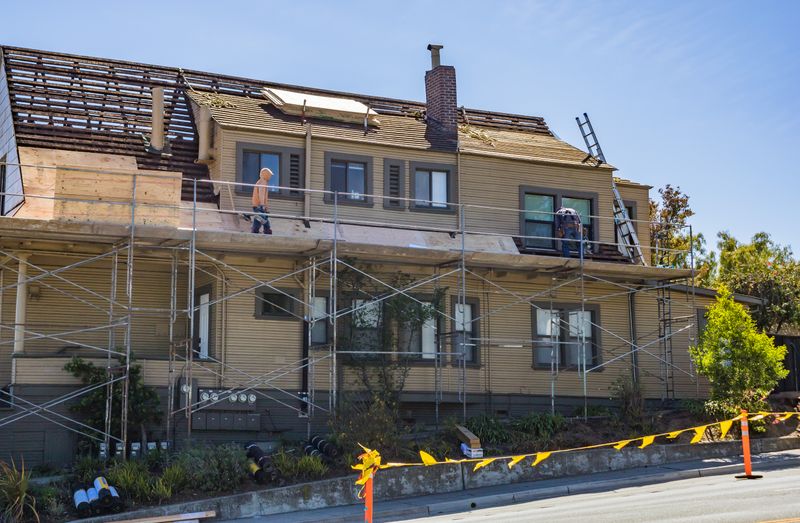
Roof repairs are one of those home expenses that sneak up on you. A small leak ignored for a season can turn into thousands of dollars of interior damage. But not every roof problem demands a full replacement — and knowing what repairs actually cost helps you make smarter decisions, negotiate better with contractors, and avoid being overcharged.
This guide breaks down average roof repair costs in 2026 by repair type, roofing material, and geographic region.
Quick Answer: What Does Roof Repair Usually Cost?
Most roof repairs cost $200 to $1,500 when the problem is limited to shingles, flashing, pipe boots, or a small leak area. Costs rise quickly when the repair involves steep roof access, chimney flashing, valleys, structural decking, widespread storm damage, or interior water damage.
The most important question is not only “what is the repair price?” It is whether the quote identifies the leak source, fixes the water path, and explains when repair no longer makes sense compared with replacement.
National Averages at a Glance
Most roof repairs in 2026 fall somewhere in the following ranges:
- Minor patch or sealant repair: $150–$400
- Replace a few shingles (1–10): $200–$600
- Flashing repair or replacement: $300–$900
- Valley repair: $500–$1,500
- Full section replacement (1–3 squares): $1,000–$4,000
- Partial re-roof (4+ squares): $3,500–$10,000+
The wide ranges reflect real-world variation in labor rates, material costs, and roof complexity. A simple patch on a low-slope ranch is very different work from replacing flashing on a steep two-story with a complex roofline.
Roof Repair Cost by Type
Shingle Patching
Patching a small area — say, replacing 3 to 10 damaged or missing shingles — is one of the most common repairs homeowners call about. Expect to pay:
- Material (asphalt shingles): $30–$80 per bundle (a bundle covers about 33 sq ft)
- Labor: $75–$150 per hour, with most small jobs taking 1–3 hours
- Total: $200–$600 for a small patch
If you’re comfortable on a ladder and the pitch is 6:12 or less, this is one repair many homeowners tackle themselves. You’ll need matching shingles, roofing nails, roofing cement, and a pry bar. Henry 208 roofing cement is a reliable choice for sealing nail heads and edges.
Flashing Repair
Flashing is the metal (usually galvanized steel or aluminum) that seals transitions — around chimneys, skylights, dormers, and wall-to-roof joints. Flashing is the #1 source of roof leaks, and repair costs vary by location:
- Pipe boot / vent flashing: $150–$350
- Step flashing (per linear foot): $15–$35, minimum charge ~$300
- Chimney flashing (full replacement): $500–$1,500+
- Skylight flashing: $400–$900
Chimney flashing is especially labor-intensive because the old counter-flashing must often be cut out of mortar joints and new material carefully tucked back in. Don’t let anyone seal a chimney leak with just caulk — it’s a temporary fix that will fail within a year.
Valley Repair
The valley — where two roof planes meet — carries heavy water volume and is prone to wear. Repair costs depend on whether the valley just needs resurfacing or full liner replacement:
- Reseal / patch: $300–$700
- Full valley liner replacement (per linear foot): $20–$50, minimum ~$500
Open metal valleys are generally easier and cheaper to service than woven or closed-cut asphalt valleys. If the valley metal is rusted through or the shingles have eroded along the centerline, a full replacement is the right call.
Full Section Replacement
When damage covers a significant area — say, after a hailstorm or fallen branch — you may need to replace one or more full “squares” (a roofing square = 100 sq ft):
- 1 square: $600–$1,500
- 2–3 squares: $1,200–$3,500
- 4+ squares: starts to approach full replacement territory
At this scale, it’s worth requesting three written estimates. A good contractor can often match existing shingles closely enough that the patched section is barely visible.
Roof Repair Cost by Material
| Material | Difficulty | Average Repair Cost (Minor) | Average Repair Cost (Major) |
|---|---|---|---|
| 3-Tab Asphalt | Low | $150–$400 | $800–$2,500 |
| Architectural Asphalt | Low–Medium | $200–$500 | $1,000–$3,500 |
| Metal (corrugated) | Medium | $300–$700 | $1,500–$5,000 |
| Metal (standing seam) | High | $500–$1,200 | $2,500–$8,000 |
| Wood Shake | High | $400–$900 | $2,000–$6,000 |
| Concrete Tile | High | $500–$1,000 | $2,500–$7,000 |
| Clay Tile | Very High | $600–$1,500 | $3,000–$10,000+ |
| Flat / EPDM | Medium | $300–$800 | $1,500–$5,000 |
| Slate | Very High | $800–$2,000 | $4,000–$15,000+ |
Standing seam metal, clay tile, and slate command higher repair prices because they require specialized labor. Few roofers are proficient with these materials, which reduces competition and drives up rates.
Regional Price Differences
Where you live has a significant impact on what you’ll pay. Labor rates are the primary driver:
| Region | Labor Rate (per hour) | Typical Minor Repair | Typical Major Repair |
|---|---|---|---|
| Northeast (NY, MA, CT) | $85–$150 | $350–$700 | $2,000–$6,000 |
| Mid-Atlantic (PA, MD, NJ) | $75–$130 | $300–$600 | $1,800–$5,500 |
| Southeast (FL, GA, NC) | $60–$110 | $250–$500 | $1,500–$4,500 |
| Midwest (OH, IL, MI) | $65–$115 | $275–$550 | $1,600–$4,500 |
| South Central (TX, OK) | $60–$110 | $250–$500 | $1,400–$4,000 |
| Mountain West (CO, UT) | $70–$130 | $300–$600 | $1,800–$5,000 |
| Pacific Coast (CA, OR, WA) | $90–$160 | $400–$800 | $2,500–$7,000 |
In high-cost-of-living metros like San Francisco, Seattle, or New York City, add another 15–25% to these figures.
Hidden Costs to Watch For
Decking repairs. Once shingles come off, contractors may find rotted or damaged plywood or OSB underneath. Ask for an included allowance, the panel specification, a documented approval process, and a unit price for additional work. Our roof decking replacement cost guide explains why the final quantity is often uncertain until tear-off.
Raised fasteners. A small shingle bump may hide an underdriven or backed-out nail. Access, the number of defects, brittle shingles, and weak decking determine whether the job stays local; see roof nail pop causes, repair, and cost factors before comparing a spot-repair quote.
Permit fees. Some jurisdictions require permits even for repairs above a certain square footage. Permits typically run $75–$300 and your contractor should pull them.
Emergency / after-hours rates. A contractor called out after a storm on a weekend may charge 25–50% more. If the situation isn’t an emergency, schedule during regular business hours.
Dump fees. Tear-off debris needs disposal. Most contractors include this, but ask specifically if it’s in the quote.
Useful Products for DIY Repairs
If you’re handling a small repair yourself, here are the supplies worth having on hand:
- Roofing cement (Henry 208) — the standard for sealing laps, nail heads, and small cracks
- Caulk gun — a smooth-rod ratchet gun gives you better control than the basic squeeze type
- Elastomeric roof sealant — for flexible sealing around penetrations and flashings
- Pry bar / shingle removal tool — a dedicated shingle ripper saves time and knuckles
- Roofing nails (1-3/4 inch galvanized) — always use galvanized, never drywall nails
When to Get Multiple Quotes
You should always request at least two to three written estimates for any repair over $500. Roofing contractors vary significantly in their pricing, and an honest contractor will walk you through exactly what needs to be done and why.
Red flags to watch for:
- Quotes that arrive before anyone has been on the roof
- Pressure to sign a contract on the spot
- No itemized breakdown of materials vs. labor
- No local license or insurance documentation
- Asking for more than 30% upfront before work starts
Before hiring for repair work: verify local licensing and insurance, request written estimates with the repair scope, and confirm whether inspection fees are credited if you proceed.
Repair vs. Replace: The $1,500 Threshold
A useful rule of thumb: if the repair cost approaches or exceeds 25–30% of a full replacement’s cost — and your roof is already more than two-thirds through its expected lifespan — replacement often makes more financial sense. You avoid another repair call in two years, and you get a fresh warranty.
For a roof under 15 years old with isolated damage, repairs almost always win. For a 22-year-old asphalt roof with recurring problems, the math starts to shift.
Roof repair costs in 2026 span a wide range, but most homeowners aren’t facing a worst-case scenario. A quick inspection, an accurate diagnosis, and a couple of competitive written estimates will tell you exactly where you stand. Don’t delay — small roof problems have a way of becoming large ones remarkably fast once water gets involved.
Related Roofing Guides
- Hidden Roof Leak Detection helps trace stains, attic moisture, and slow leaks before authorizing repairs.
- How to Fix a Leaking Roof explains which temporary repairs are realistic and which are risky.
- Roof Inspection Cost can help when you need documentation before choosing repair or replacement.
- Signs You Need a New Roof covers age, curling, granule loss, and recurring leak patterns.
- Roof Overlay vs. Full Replacement is worth reading when repair estimates approach replacement territory.
Document the roof problem before pricing repair
These resources connect repair costs to leak diagnosis, inspection costs, replacement decisions, and safe storm documentation.
- Hidden roof leak detection
Trace leak clues before repair costs expand into interior damage.
- How to fix a leaking roof
Review short-term leak-control steps and when professional repair is safer.
- Roof inspection cost
Compare paid inspections, repair estimates, and documentation needs.
- Signs you need a new roof
Decide when repeated repairs point toward replacement.
- Overlay vs. full replacement
Understand the tradeoffs before covering an old roof.
- Storm damage roof checklist
Print the checklist to document safe ground-level observations after severe weather.

Shingle Science Editorial Team
Independent trade-focused editorial team