How to Find a Good Roofing Contractor (Red Flags to Avoid)
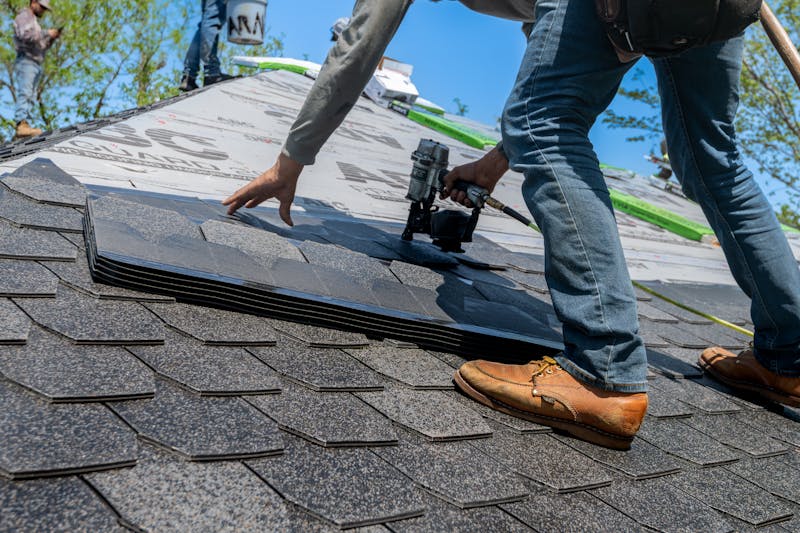
Hiring a roofing contractor is one of the biggest home improvement decisions you’ll make. A quality roofer will protect your home for decades. A bad one can leave you with a failed roof, voided warranties, and no legal recourse. The roofing industry has a higher rate of fraud, storm-chasing scams, and unlicensed operators than almost any other trade.
Here’s how to find a contractor you can trust.
Start in the Right Places
Ask neighbors and friends. Word-of-mouth from someone who had a similar roof replacement — especially from anyone who has had their new roof through a full season of weather — is the most reliable referral you can get.
Check manufacturer contractor locators. GAF, Owens Corning, and CertainTeed maintain online directories of certified contractors who have met training and insurance requirements. Search for “GAF certified contractors,” “Owens Corning Preferred Contractor,” or “CertainTeed ShingleMaster” in your area.
Use the Better Business Bureau (BBB). Look for contractors with A or A+ ratings and read any complaint resolutions carefully. More important than the grade: look at how long the company has been in business.
Check Google and Yelp reviews, but look for patterns across many reviews rather than individual 5-star ratings. Read negative reviews to see how the company responded.
Your state contractor license board maintains a public database of licensed contractors. In most states, roofing over a certain dollar amount requires a license — verify before hiring.
Compare at Least Three Written Estimates
Never hire from a single estimate. Written estimates serve two purposes:
- They give you a price range to identify outliers (too low or too high are both warning signs).
- They let you assess how each contractor communicates, whether they explain what they’re doing, and whether they’re willing to put specifics in writing.
When requesting estimates, give every contractor the same scope of work so you’re comparing apples to apples. At minimum, specify:
- Full tear-off vs. overlay
- Target shingle brand and product line
- Any known repair issues (rotted decking, failed flashing)
Questions to Ask Every Contractor
Are you licensed in this state? Ask for the license number and verify it on your state’s contractor license website.
Do you carry general liability and workers’ compensation insurance? Ask for a certificate of insurance naming you as an additional insured. If a worker is injured on your property and the contractor lacks workers’ comp, you can be liable.
Who actually does the work — your employees or subcontractors? Many roofing companies subcontract the physical labor. This isn’t inherently bad, but you want to know who will be on your roof and that those workers are also covered by insurance.
How long have you been in business under this name? A contractor who has been in business for 10+ years under the same name has weathered downturns and has a track record. Be cautious of companies with very recent formation dates.
What manufacturer warranty does the installation qualify for? Premium manufacturer warranties (GAF Golden Pledge, CertainTeed SureStart Plus) require certified contractors and cover both materials and labor. Ask for the specific warranty level and get it in writing.
Can you provide local references from work in the past two years? Call these references. Ask specifically: did the crew leave the site clean each day? Were there unexpected charges? Would you hire them again?
What is your cleanup and disposal process? Roofing debris includes old shingles, nails, and underlayment. Ask how they protect landscaping, windows, and exterior features, and how nails are collected.
What Should Be in the Contract
Never sign a vague contract. A legitimate roofing contract should specify:
- Materials: Exact brand, product line, color, and weight (e.g., “GAF Timberline HDZ Pewter Gray, Class A”)
- Scope: Full tear-off of existing layers, disposal of old materials, inspection and replacement of rotted decking (price per sheet)
- Underlayment: Type and coverage (synthetic felt vs. ice and water shield at eaves)
- Flashing: What’s new and what’s reused
- Ventilation: What ridge and soffit venting is included
- Timeline: Estimated start and completion dates
- Payment schedule: Never pay more than 10–20% upfront; most of the payment should come at satisfactory completion
- Warranty: Both the manufacturer materials warranty and the contractor’s own workmanship warranty (minimum 2 years; quality contractors offer 5–10)
- Permit: Who pulls it (should be the contractor) and whether permit fees are included
Red Flags to Watch For
Storm Chasers
After significant hail or wind events, out-of-state contractors arrive in force offering immediate inspections and promising “free roofs” through insurance. These companies are often unlicensed in your state, will be gone before warranty issues arise, and use high-pressure tactics to get you to sign immediately.
Rule: If a contractor showed up at your door after a storm and you didn’t call them, proceed with extreme caution.
Asking for Full Payment Upfront
Legitimate contractors collect a deposit (10–20%) with the balance due at completion. Anyone requesting 50–100% upfront before work begins should be declined.
”We Have Leftover Materials from a Nearby Job”
This is a classic approach used by itinerant paving, roofing, and painting contractors. The materials are typically inferior or the work is substandard.
Pressure to Sign Today
Any contractor who offers you a “today only” discount or implies you must sign immediately to secure their schedule is using sales pressure tactics. Quality contractors are busy but not so busy they can’t give you 48 hours to review a contract.
Unusually Low Bids
A quote significantly below the others usually means corners are being cut: inferior materials, skipping the ice barrier, using unlicensed labor, or omitting permit costs. A “good deal” on a roof often ends in a roof failure or warranty dispute.
No Physical Address or Untraceable Business
Search their business name on your state’s secretary of state website to confirm it’s a legitimate registered business. Be wary of contractors with only a cell phone number and no verifiable office address.
Asking You to Sign Over Insurance Benefits
Some contractors ask homeowners to sign an “Assignment of Benefits” (AOB) document, allowing the contractor to deal directly with your insurer. This can limit your ability to dispute the claim and has been associated with fraud. Avoid AOBs; handle your own insurance claim.
How to Verify a Contractor’s Insurance
Request a Certificate of Insurance (COI) and contact the issuing insurance company to verify it’s current. Ask to be added as an additional insured on the policy for the duration of the project. A legitimate contractor will accommodate this request.
Protecting Yourself Through the Project
- Get the permit posted and verify inspections happen as required.
- Don’t pay the final balance until all work is complete and you’ve inspected the site.
- Walk the property after completion to ensure all nails are collected (a magnetic roller helps) and debris is fully removed.
- Photograph the finished work before the crew leaves.
The best roofing contractors don’t need to chase business — they’re usually booked weeks out through referrals and repeat customers. That’s a feature, not a bug. The wait is worth it.
See Also
- How much does a new roof cost? — know what fair pricing looks like before you start collecting bids
- How to file a roof insurance claim — if storm damage is involved, understand the claims process before committing to a contractor
- Signs you need a new roof — confirm you actually need a full replacement before investing in contractor research

Shingle Science Editorial Team
Independent trade-focused editorial team