How to Fix a Leaking Roof: Step-by-Step Guide
Quick answer
The first goal with a leaking roof is damage control: contain interior water, find the likely entry path, and use temporary protection if rain is continuing. Permanent repair requires matching the leak source to shingles, flashing, vents, valleys, or decking.
Common questions
- What should you do first when a roof leaks?
- Move belongings, catch water, relieve bulging drywall carefully, and document damage. If rain is ongoing, temporary tarping by a qualified person may prevent further interior damage.
- Why is roof leak tracing difficult?
- Water can travel along rafters, underlayment, insulation, and ceiling surfaces before appearing indoors. The stain is often downhill from the actual roof entry point.
Source note: Reviewed July 2026 against the article guidance and common roofing trade practice; roof condition, local code, warranty terms, and weather exposure control final decisions.
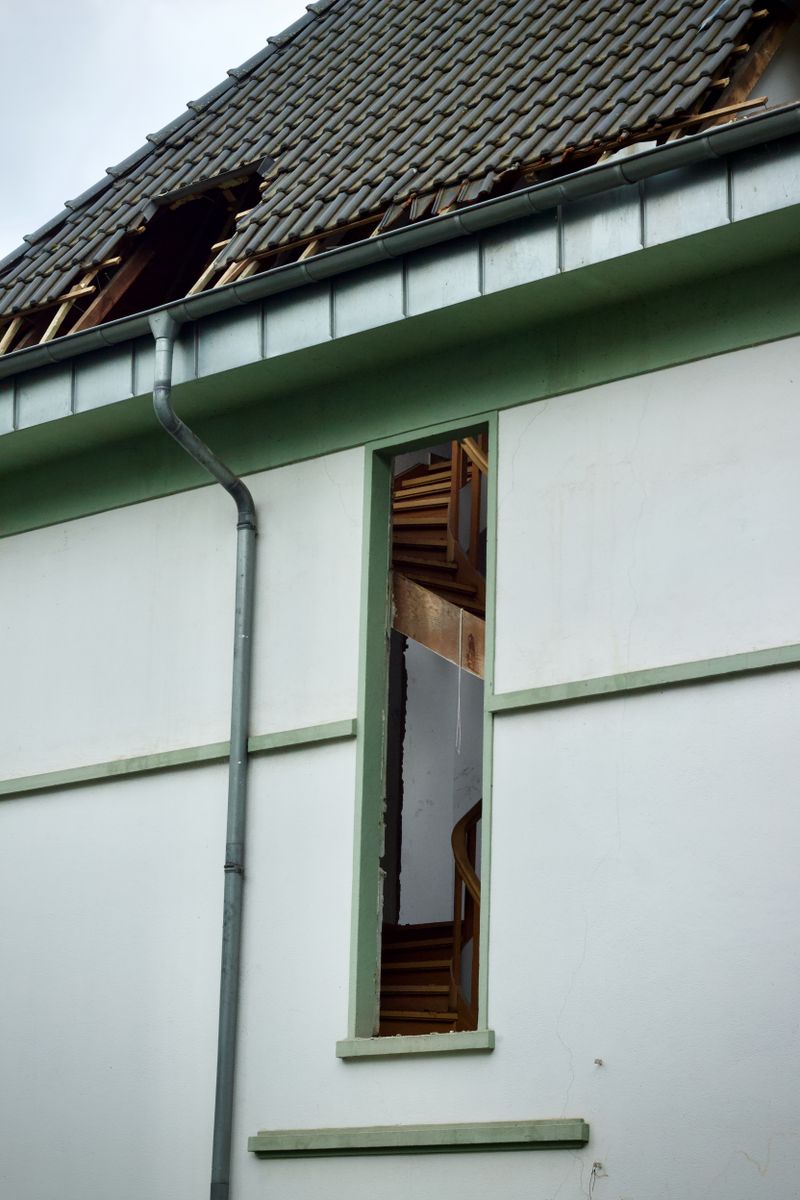
A leaking roof is one of the most stressful problems a homeowner can face. Left untreated, even a small leak can cause structural damage, mold growth, and ruined insulation. The good news: many common roof leaks are manageable with the right approach. This guide walks you through finding the source, making the repair, and knowing when to call a professional.
Safety First
Before you go anywhere near your roof, take these precautions:
- Never work on a wet or icy roof. Wait for dry conditions and let the surface fully dry.
- Use a sturdy extension ladder rated for your weight plus tools.
- Wear rubber-soled shoes for grip.
- Work with a helper whenever possible — someone to steady the ladder and call for help if needed.
- Avoid steep pitches above 6:12 without proper fall-arrest equipment.
If you’re not comfortable on a ladder or the pitch is steep, this is a job for a licensed roofer.
Step 1: Find the Source of the Leak
This is often the hardest part. Water travels. A stain on your ceiling may be several feet away from where water is actually entering the roof.
Start from the inside. Go into your attic with a flashlight after a rain. Look for:
- Water stains on the sheathing or rafters
- Damp insulation
- Mold or mildew streaks
- Daylight visible through the roof deck
Trace water uphill from where you find it. Water enters at a high point and runs down to where you see damage. Common entry points include:
- Around chimneys, skylights, and pipe boots
- In roof valleys where two slopes meet
- At wall-to-roof transitions (step flashing)
- Along eaves and ridges
- Under lifted, cracked, or missing shingles
If no rain is forecast, simulate rain with a garden hose. Have one person spray sections of the roof systematically while another watches from the attic.
Step 2: Gather Your Materials
For most common repairs, you’ll need:
- Roofing nails (1.5–1.75 inch)
- Roofing cement / roof sealant (Henry 208, Karnak 19, or similar)
- Replacement shingles matched to your roof
- Pry bar and hammer
- Utility knife
- Caulk gun
- Replacement pipe boot (if applicable)
- Sheet metal for flashing (aluminum or galvanized steel)
For a basic temporary patch kit, this roofing emergency repair kit can get you through until conditions allow for a full fix.
Step 3: Common Repair Types
Cracked or Missing Shingles
- Slide a pry bar under the damaged shingle and pop the nails holding it in place.
- Slide the old shingle out.
- Slide the new shingle in, aligning it with neighbors.
- Nail it down with four roofing nails, 1 inch from each edge.
- Apply a dab of roofing cement under the tabs of the shingles above to reseal them.
Lifted or Curled Shingles
Curled tab tips can let water under. Apply a bead of roofing cement under the lifted area, press it flat, and weight it down for 24 hours with a brick or heavy object.
Damaged Pipe Boot / Flashing Collar
Pipe boots seal around plumbing vents. The rubber collar cracks over time.
- Cut away the old boot with a utility knife.
- Slide the new boot over the vent pipe (compatible replacement boots through major retailers.
- Nail the flanges to the deck and apply roofing cement around the edges.
- Tuck the surrounding shingles back into place.
Chimney Flashing Leaks
Chimney leaks are almost always a flashing problem, not a masonry problem. Inspect:
- Step flashing along the sides
- Counter flashing embedded in the mortar joints
- Cricket (the small saddle behind the chimney that diverts water)
Small gaps can be sealed with a high-quality elastomeric sealant like Geocel 2300 Tripolymer sealant. Major flashing failures require new metal and are best left to a pro.
Roof Valley Leaks
Valleys carry large volumes of water. If the valley lining is cracked or the shingles have eroded away at the center, you may need to cut out and replace the valley material — a job typically best done by a professional to ensure proper overlaps and water shedding.
Step 4: Temporary Repairs for Active Leaks
If water is coming in right now:
- In the attic, place a bucket under the drip and push a screwdriver into the wet spot to give the water a defined exit point and reduce ceiling pooling.
- On the roof, a tarp weighted down with sandbags or 2x4s can bridge you through a storm. Use a tarp that extends at least 4 feet past the ridge on each side.
Heavy-duty poly tarps sized for roofing are available in various sizes and are far better than lightweight camping tarps.
Before You Go on the Roof
Confirm that the leak is actually roof-related. Plumbing vents, HVAC condensate lines, bathroom fans, and attic condensation can all create stains that look like roof leaks. Check whether the leak appears only during rain, whether it worsens with wind direction, and whether plumbing above the stain was used recently.
If roof access is necessary, wait for dry conditions and use a properly set ladder. Do not walk on steep, wet, icy, or visibly sagging roof sections. A professional repair is cheaper than a fall.
Document the leak path with photos before you disturb insulation or remove damaged material.
Step 5: Inspect Your Work
After any repair, check your work from inside the attic during the next rain. Look for daylight gaps, water movement, or damp insulation near the repair area. Most successful repairs hold the first time if the source was correctly identified.
When to Call a Professional
DIY repairs are appropriate for:
- A single missing or cracked shingle
- A failed pipe boot
- Minor flashing sealant gaps
Call a licensed roofer when:
- You cannot identify the leak source
- Damage covers more than a few shingles
- There is widespread deck rot or sagging
- The roof is steeply pitched
- You see multiple water entry points
- The leak is near the chimney, skylight, or a complex valley
A professional roofer can also identify related issues — like inadequate ventilation contributing to ice dams — that a homeowner might miss.
Catching and repairing a roof leak quickly is always cheaper than waiting. If you find water inside, act within days, not weeks. The sooner you stop the intrusion, the less secondary damage you’ll deal with.
See Also
- Roof flashing guide — since flashing failures cause the majority of roof leaks, understanding the different flashing types helps you diagnose and fix problems correctly
- Signs you need a new roof — determine whether you’re dealing with a repairable issue or a roof that’s reached end of life
- How to find a good roofing contractor — when the repair is beyond DIY, here’s how to hire someone you can trust

Shingle Science Editorial Team
Independent trade-focused editorial team