Roof Flashing: What It Is and Why It Matters
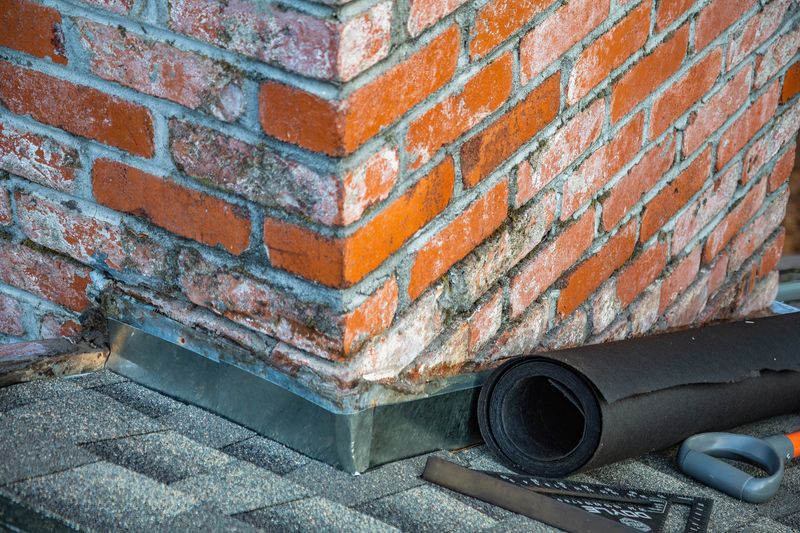
If you’ve ever had a roof leak around your chimney, skylight, or where the roof meets a wall, there’s a very good chance the problem was flashing — not the shingles. Flashing is the system of thin metal pieces that seals the joints and transitions in a roof. It’s unglamorous, invisible from the street, and responsible for more leaks than any other single roofing component.
Understanding what flashing is, where it’s used, and how to spot problems can save you from significant water damage.
What Is Roof Flashing?
Roof flashing is a thin, corrosion-resistant metal installed wherever the roof surface meets a vertical surface or transitions from one plane to another. Its job is to seal these vulnerable joints against water intrusion.
Most residential flashing is made from:
- Galvanized steel — the most common; durable and affordable
- Aluminum — lightweight, rust-resistant, and easy to form; not compatible with some sealants or masonry
- Copper — extremely durable (50+ year lifespan), expensive, and attractive; develops a distinctive green patina
- Lead — very malleable and long-lasting; used less commonly in the US due to health concerns but still found in older homes
The material choice depends on the application, budget, and surrounding materials. Copper and galvanized steel are generally the most reliable choices for long-term performance.
Where Flashing Is Used
Chimney Flashing
Chimneys are the most common source of roof leaks, and the culprit is almost always the flashing — not the masonry itself.
Chimney flashing consists of several layers:
- Base flashing at the bottom of each chimney face (step flashing on the sides)
- Counter flashing that overlaps the base flashing and is embedded into the masonry mortar joint
- A cricket or saddle behind wide chimneys — a small peaked structure that diverts water around the back of the chimney
Chimneys wider than 30 inches must have a cricket by code. Without one, water pools behind the chimney and eventually works under the flashing.
Step Flashing
Step flashing seals the joint where a sloped roof meets a vertical wall — such as where a house wall rises above the roof. It consists of individual L-shaped pieces of metal (typically 4” x 4” x 8”) that are woven into the shingle courses:
- Each shingle course gets its own piece of step flashing
- Each piece overlaps the one below by at least 2 inches
- The vertical leg of the L turns up against the wall; a counter flashing piece covers it
This interlocking design means water must make multiple direction changes to penetrate — an effective system when properly installed.
Valley Flashing
Where two roof planes meet in a “V,” significant volumes of water concentrate. Valley flashing comes in two forms:
- Open valley: A visible strip of metal (W-shaped in cross-section) runs the length of the valley. Water flows down the metal channel.
- Woven valley: Shingles from each slope are woven together over the valley. No visible metal, but the shingles themselves must extend well past the centerline.
- Closed-cut valley: Shingles from one slope run through the valley; shingles from the other slope are cut to a straight line a few inches from the center.
Open valleys with metal are generally the most durable and lowest-maintenance option.
Drip Edge Flashing
Drip edge is an L-shaped metal strip installed along the eaves and rakes (sloped edges) of the roof. It:
- Directs water off the roof edge and into the gutters rather than down the fascia
- Protects the roof deck edge from water wicking back underneath
- Provides a clean, finished edge to the roofline
Drip edge is required by most building codes and should be installed before underlayment at the eaves and after underlayment at the rakes.
drip edge flashing
Vent Pipe Flashing (Boot)
Every plumbing vent pipe that penetrates the roof is sealed with a “boot” — a rubber gasket mounted to a metal flange that nails to the roof deck. Shingles are cut to fit around the base.
The rubber collar is the weak point: UV degrades it, and most boots need replacement every 15–20 years. Cracked or collapsed boots are one of the most common and easiest to miss causes of roof leaks.
Replacement pipe boots
Skylight Flashing
Skylights are particularly prone to leaking if flashing is poorly installed. Quality skylights come with integrated flashing kits designed specifically for the unit. Many leaks around skylights are caused by:
- Using generic flashing rather than manufacturer-matched kits
- Improper step flashing on the sides
- Missing or failing sealant at the head (upper edge)
Kickout Flashing
Kickout flashing is an often-overlooked piece that goes at the bottom of a roof-wall junction where it meets a gutter. Without it, water flowing down the step flashing onto the last course of shingles runs directly into the wall where it meets the gutter — causing significant rot damage inside the wall.
Many insurance claims and wall rot failures trace back to a missing kickout flashing piece.
How to Spot Failing Flashing
Regular visual inspections from the ground or from inside the attic can catch problems early.
From inside the attic, look for:
- Water stains on sheathing near chimneys, skylights, or walls
- Daylight visible at roof-wall junctions
- Rust stains on metal flashing
From outside (with binoculars if needed), look for:
- Visible gaps between flashing and masonry
- Rust streaks on flashing surfaces
- Missing counter flashing pieces
- Caulk or sealant pulling away from joints
- Bent or lifted flashing edges
Can You Repair Flashing Yourself?
Minor sealant failures — small gaps or cracks at the edge of flashing — can be sealed with a quality elastomeric roofing sealant or urethane caulk. Geocel 2300 tripolymer sealant is popular among contractors for this use.
Larger failures — bent or missing metal, counter flashing that has pulled from the mortar joint, or widespread rust — require new metal and proper installation. This is generally a job for a professional roofer or roofing sheet metal specialist, because improper flashing is worse than none at all.
How Long Does Flashing Last?
| Material | Expected Lifespan |
|---|---|
| Galvanized steel | 20–30 years |
| Aluminum | 20–40 years |
| Copper | 50+ years |
| Lead | 50+ years |
| Rubber pipe boots | 15–20 years |
Quality flashing often outlasts the shingles. When replacing a roof, ask your contractor to evaluate all existing flashing and replace anything that has reached the end of its useful life.
Flashing is the unsung hero of a dry home. When it’s done right, you never think about it. When it fails, the results are wet ceilings, rot, and mold. Inspect it regularly, maintain sealants promptly, and invest in quality metal when re-roofing — it’s inexpensive insurance against some of the most costly water damage a home can sustain.
See Also
- How to fix a leaking roof — step-by-step repair instructions for chimney flashing failures, pipe boot replacements, and other common leak sources
- How to inspect your roof after a storm — storms frequently damage flashing; learn what to look for during your post-storm walkthrough
- Signs you need a new roof — failed flashing is one of ten warning signs covered in this guide to knowing when repairs aren’t enough

Shingle Science Editorial Team
Independent trade-focused editorial team