How to Finance a New Roof: Loans, HELOCs, and Payment Options
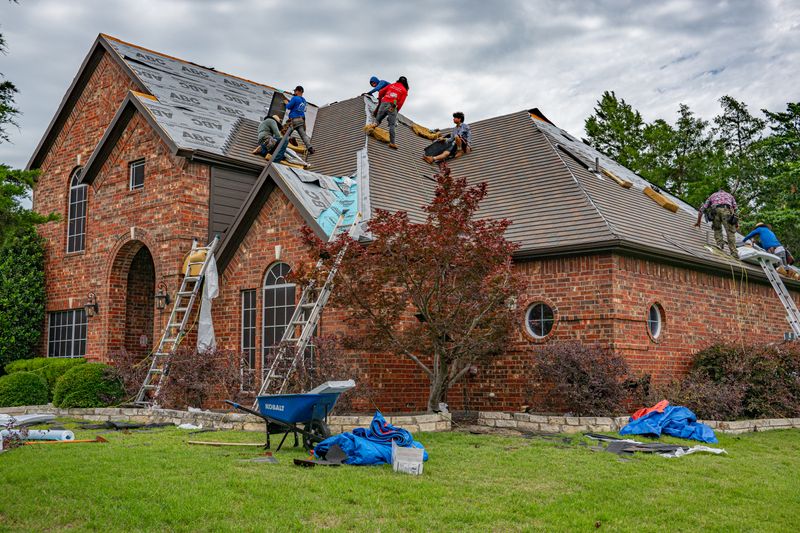
A new roof is one of the most expensive home repairs you’ll face — and one of the least optional. When your roof fails, you don’t get to wait until you’ve saved enough cash. You need a solution now, and for most homeowners, that means financing.
The good news: roof replacement financing has more options than ever, and the right choice depends on your equity position, credit score, timeline, and how long you plan to stay in your home. This guide breaks down every major financing path, what each one costs, and how to avoid the traps that leave homeowners overpaying.
Why Financing a Roof Is Often the Right Call
Paying cash is ideal if you have it. But even cash-rich homeowners sometimes choose to finance because:
- Preserving liquidity — keeping cash available for emergencies or higher-return investments
- Low interest rate windows — a promotional 0% APR offer can make financing smarter than depleting savings
- Insurance timing — you may need to replace the roof before a claim settles
For the majority of homeowners, some form of financing is simply the realistic path forward. The goal is to find the option with the lowest total cost for your situation.
Option 1: Home Equity Loan
A home equity loan lets you borrow a lump sum against the equity in your home, repaid in fixed monthly installments over 5–20 years.
Typical interest rates: 7–10% APR (as of 2026, varies by credit and lender)
Best for: Homeowners with significant equity who want a fixed rate and predictable payments.
How it works:
- You apply through a bank, credit union, or online lender
- The lender appraises your home and calculates your loan-to-value ratio
- You receive a lump sum and repay it over the agreed term
Pros:
- Fixed interest rate — your payment never changes
- Interest may be tax-deductible if used for home improvement (consult a tax advisor)
- Larger loan amounts available compared to personal loans
Cons:
- Your home is collateral — defaulting risks foreclosure
- Closing costs typically run 2–5% of the loan amount
- Takes 2–6 weeks to close, which may not work if you need a repair immediately
Option 2: Home Equity Line of Credit (HELOC)
A HELOC works like a credit card secured by your home’s equity. You draw what you need during a draw period (typically 10 years), then repay during a repayment period (typically 10–20 years).
Typical interest rates: 7.5–11% APR (variable rate, tied to prime rate)
Best for: Homeowners who may need funds in phases — for example, if you’re doing roof work alongside other home improvements.
Pros:
- You only pay interest on what you draw
- Flexibility to draw funds over time
- Interest potentially tax-deductible
Cons:
- Variable rate means payments can rise if interest rates increase
- Draw period ends, and repayment can be a shock if you’ve been paying interest only
- Requires equity and a good credit profile to qualify
- Your home is collateral
Bottom line: A HELOC makes less sense for a single-project roof replacement than a home equity loan because you’re borrowing a known lump sum. The variable rate exposure is a disadvantage without the flexibility benefit.
Option 3: FHA Title I Property Improvement Loan
The FHA Title I program is a federally backed loan specifically for home improvements. It’s one of the most underused financing tools available.
Loan amounts: Up to $25,000 for a single-family home Typical interest rates: 6–9% APR (fixed) Term: Up to 20 years
Best for: Homeowners with limited equity or lower credit scores who don’t qualify for conventional home equity products.
How it works:
- You apply through an FHA-approved lender (many banks and credit unions participate)
- No collateral is required for loans under $7,500
- The FHA insures the loan, reducing lender risk and allowing more flexible underwriting
Pros:
- Available with minimal or no equity
- Fixed rate
- Longer repayment terms than most personal loans
Cons:
- Finding an FHA Title I lender can take time — not all institutions offer this program
- Loan proceeds must be used for permanent home improvements
- Slower process than personal loans
To find FHA Title I lenders in your area, visit the HUD lender search tool on the official HUD website (search for “HUD approved Title I lenders”).
Option 4: Personal Loan (Unsecured)
Personal loans are unsecured — no home equity required. You apply online or at a bank, get approved quickly, and receive funds in days.
Typical loan amounts: $5,000–$50,000 Typical interest rates: 9–25%+ APR (depends heavily on credit score) Term: 2–7 years
Best for: Homeowners without equity or who need funds quickly and have good to excellent credit.
| Credit Score Range | Typical APR |
|---|---|
| 750+ (excellent) | 9–13% |
| 700–749 (good) | 13–18% |
| 650–699 (fair) | 18–25% |
| Below 650 | Often declined or 25%+ |
Pros:
- Fast — funds often available within 1–3 business days
- No home equity needed
- No collateral — your home is not at risk if you default (though your credit will be severely damaged)
Cons:
- Higher rates than home equity options
- Shorter terms mean higher monthly payments
- Good credit required for competitive rates
For a $12,000 roof on a 5-year personal loan at 14% APR, your monthly payment is roughly $279 and total interest paid is about $4,740. Compare this to a home equity loan at 8% over 10 years: ~$146/month and ~$5,520 in total interest — lower monthly payment, but longer and ultimately more expensive in total.
Option 5: Contractor Financing
Many roofing contractors offer in-house financing or work with third-party lenders to offer payment plans at the point of sale.
Typical terms: Varies widely — some offer 0% promotional periods; others charge 15–25% APR
Best for: Convenience shoppers who want a one-stop solution.
Proceed with caution. Contractor financing is often the most expensive option in the long run, even when advertised as “0% for 18 months.” These deals typically require the contractor to mark up the project price to cover financing fees. Read the fine print:
- What happens to the rate after the promotional period?
- Is there a deferred interest clause (meaning unpaid balances at month 18 trigger retroactive interest on the original balance)?
- Can you pay off early without a penalty?
Deferred interest is the most dangerous trap. If you have a $10,000 balance and miss clearing it by the promotional deadline, you can be charged interest on the original $10,000 balance — not just the remaining balance.
The best approach with contractor financing: Use it only if the 0% offer covers your full payoff timeline, and set a calendar reminder to pay it off at least 60 days before the promotional period ends.
Option 6: Manufacturer Financing Programs
Major shingle brands including GAF and CertainTeed partner with financing companies to offer promotional rates through their certified contractor networks.
These programs work similarly to contractor financing but are sometimes better structured — and knowing the brand name behind the offer adds a layer of accountability. Ask your contractor which manufacturer programs they participate in and compare terms head-to-head with your bank or credit union.
When Insurance Should Cover It Instead
Before you finance anything, ask whether your roof damage is covered by homeowners insurance. If the damage was caused by:
- Hail or windstorm
- Falling trees or debris
- Ice dams (in some policies)
- Fire
…your insurer may cover all or most of the replacement cost, minus your deductible. Never agree to a contractor’s financing offer before you’ve filed a claim — if insurance covers the loss, financing becomes unnecessary.
Some contractors specialize in working insurance claims and can help you navigate the process at no additional cost. See our guide on how to file a roof insurance claim for the full process.
Choosing the Right Option: A Decision Framework
| Your Situation | Best Option |
|---|---|
| Good equity, strong credit | Home equity loan |
| Doing multiple projects over time | HELOC |
| Limited equity, lower credit | FHA Title I loan |
| No equity, excellent credit, need funds fast | Personal loan |
| Excellent credit, promotional 0% offer available | Contractor or manufacturer financing (with caution) |
| Storm damage involved | File insurance claim first |
Red Flags to Avoid
Storm chasers offering financing. After major hail or wind events, out-of-state contractors often appear door-to-door pushing high-pressure financing offers. Legitimate contractors don’t need to push you into financing on the spot.
Signing before the insurance adjuster visits. If you have a potential claim, file it before committing to a contractor. Once you’ve signed a contract and accepted financing, your negotiating position with the insurer weakens significantly.
Paying a large deposit to finance the job. Reputable contractors typically require 10–20% down, not 50%. A contractor requesting a large upfront payment on a financed job may not have strong financial standing.
Minimum monthly payment traps. On longer-term financing, paying only the minimum results in paying far more in total interest. Run the full payback numbers — not just the monthly payment — before signing.
The Bottom Line
There’s no single best way to finance a roof — the right answer depends on your equity, credit, timeline, and tolerance for risk. Home equity products offer the lowest rates but take time and require equity. Personal loans are faster but more expensive. Contractor financing is convenient but often carries hidden costs.
Whatever path you choose, get the full terms in writing before you sign anything, compare at least two lenders, and separate the financing decision from the contractor selection decision. The contractor who offers financing isn’t automatically the right contractor for your roof.
See Also
- How much does a new roof cost? — understand the total price range before you decide how much to borrow
- How to file a roof insurance claim — check whether insurance covers your damage before committing to a loan
- How to find a roofing contractor — vet your contractor independently of their financing offer

Shingle Science Editorial Team
Independent trade-focused editorial team