Flat Roof vs Pitched Roof: Pros, Cons, and Costs
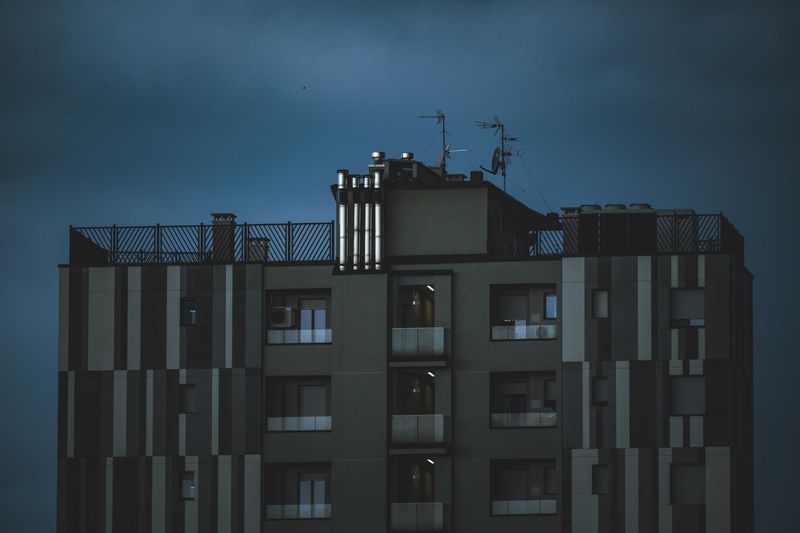
The choice between a flat roof and a pitched roof is fundamental — it shapes your building’s appearance, cost, maintenance requirements, and durability in your climate. Whether you’re building new, adding an extension, or re-roofing an existing structure, understanding the differences is essential.
Here’s an honest comparison.
What Is a Pitched Roof?
A pitched roof has at least one sloped surface — any pitch steeper than roughly 3:12 (3 inches of rise for every 12 inches of horizontal run) is considered a pitched or steep-slope roof. The most common forms are:
- Gable roof: Two slopes meeting at a ridge — the most common residential form
- Hip roof: Four slopes meeting at a central ridge — more wind-resistant
- Gambrel: A barn-style double-slope on each side
- Mansard: A flat top with steep lower slopes on four sides
Most homes in the US have pitched roofs.
What Is a Flat Roof?
A flat roof isn’t truly flat — it typically has a slight slope (1/4 to 1/2 inch per foot) for drainage. Any roof with less than a 3:12 pitch is considered a low-slope or flat roof, and it requires different roofing systems than steep-slope roofs.
Common applications: commercial buildings, modern residential architecture, row houses, garages, additions, and rooftop terraces.
Pitched Roof: Pros and Cons
Pros
Natural water shedding. Gravity does the work. Rain and snow run off quickly, reducing moisture contact with the roof structure. Less sophisticated waterproofing is required than on a flat roof.
Longer material lifespan. Asphalt shingles last 25–30 years, metal 40–70 years, slate 75–150 years — all significantly longer than most flat roofing membranes.
Better for cold and snowy climates. Snow slides off steep pitches before accumulating dangerous weight. Flat roofs in snow country require structural engineering for snow loads.
Attic space. Pitched roofs create usable attic space for storage or living area conversion. They also allow for better ventilation, which helps control moisture and heat.
Aesthetically familiar. Most neighborhoods with detached houses feature pitched roofs, and a home without one can affect resale value in traditional markets.
Lower maintenance. Shingles and metal panels require relatively little attention between replacement cycles compared to flat roof membranes.
Cons
Higher construction cost. More materials, more complex framing, and more labor mean higher upfront cost for new construction.
More difficult to inspect and access. Steep pitches are harder and more dangerous to walk, making inspections and maintenance work more challenging.
Limited rooftop use. Steep pitches don’t allow for rooftop patios, HVAC equipment placement, or green roofs.
Complex architectural designs cost more. Multiple ridges, valleys, dormers, and transitions add significant cost and create more potential leak points.
Flat Roof: Pros and Cons
Pros
Lower new construction cost. Simpler framing and less surface area to cover makes flat roofs cheaper to build in new construction.
Usable rooftop space. Flat roofs can support HVAC equipment, solar panels, rooftop terraces, and green roofs. In urban environments, rooftop space has real value.
Modern aesthetic. Contemporary, mid-century modern, and industrial architectural styles use flat roofs for clean lines. In the right neighborhood, this can enhance appeal.
Easier solar panel installation. Panels can be tilted to optimal angle without structural modification to the roof.
Easier to inspect. You can walk a flat roof and inspect the entire surface, unlike a steep-pitch roof where most of the surface is difficult to access safely.
Cons
Shorter membrane lifespan. TPO and EPDM membranes typically last 20–30 years. Modified bitumen lasts 15–20 years. These are significantly shorter than metal or slate on a pitched roof.
Greater leak vulnerability. Water must be actively drained rather than shed by gravity. Clogged drains, improper slope, and seam failures create pooling and leaks.
More demanding maintenance. Drains must be kept clear. Seams and penetrations need regular inspection. Ballast (gravel) on ballasted systems shifts over time.
Poor performance in heavy snow. Snow accumulates on flat roofs and must be managed — either through adequate structural capacity or active snow removal.
Not ideal for all climates. Flat roofs work well in arid climates like Arizona and Southern California. They require more careful design and maintenance in wet or cold climates.
Cost Comparison
Pitched Roof
| Material | Cost per sq ft (installed) | Lifespan |
|---|---|---|
| Asphalt shingles | $3.50–$7.00 | 25–35 years |
| Metal (standing seam) | $10–$20 | 40–70 years |
| Clay tile | $12–$25 | 50–100 years |
| Slate (natural) | $15–$35 | 75–150 years |
Flat Roof
| Material | Cost per sq ft (installed) | Lifespan |
|---|---|---|
| TPO (thermoplastic) | $5–$10 | 20–30 years |
| EPDM (rubber) | $4–$8 | 20–30 years |
| Modified bitumen | $4–$8 | 15–20 years |
| Built-up roofing (BUR) | $5–$8 | 15–30 years |
| PVC membrane | $6–$12 | 20–30 years |
Note: Flat roof systems generally have lower materials and labor costs but shorter replacement cycles. Over 50 years, total lifecycle costs are often comparable — especially when maintenance costs are factored in.
Which Performs Better by Climate?
| Climate | Recommended Choice |
|---|---|
| Cold / snowy | Pitched (steep slope for snow shedding) |
| Hot / sunny (arid) | Either (flat works well; reflective roofing critical) |
| Hot / humid | Pitched (better ventilation; fewer moisture traps) |
| High wind | Hipped pitched or low-slope (aerodynamic; less uplift) |
| Heavy rain | Pitched (natural water shedding) |
| Urban / modern | Flat (space use; aesthetic fit) |
Hybrid Approaches
Many modern homes combine both: a pitched main roof with flat or low-slope sections over additions, garages, or covered porches. This requires careful detailing at the transitions — these joints are common leak points and need quality flashing and waterproofing.
For commercial buildings with large footprints, flat or low-slope systems are almost universally practical — steep-slope roofing over a 50,000 sq ft warehouse would be cost-prohibitive and structurally complex.
Drainage Is the Deciding Detail
Flat roofs are not truly flat. They need enough slope to move water toward drains, scuppers, or gutters. If water still stands 48 hours after rain, the membrane ages faster and leak risk rises. Before choosing a low-slope design, confirm how water will leave the roof, where overflow goes, and how often drains must be cleaned.
Bottom Line
Choose a pitched roof if:
- You’re in a cold or wet climate
- You want the longest-lasting materials
- You want low long-term maintenance
- Your neighborhood and architecture call for it
Choose a flat or low-slope roof if:
- You’re building a modern or commercial structure
- Rooftop space has functional value
- You’re in a dry, mild climate
- Budget for new construction is the primary concern
Both roof types are proven solutions when properly designed and built for their application. The mistake is putting the wrong system in the wrong context — a flat roof in northern Minnesota or a steep-pitch home on a commercial warehouse.
See Also
- Best roofing materials for cold climates — if you’re leaning toward a pitched roof in a snowy region, this guide covers material selection in depth
- Best roofing materials for hot climates — flat roofs with TPO membranes excel in arid climates; see how they compare to pitched options
- How much does a new roof cost? — full pricing breakdown for both pitched and flat roofing systems

Shingle Science Editorial Team
Independent trade-focused editorial team