Best Roofing Materials for Cold and Snowy Climates
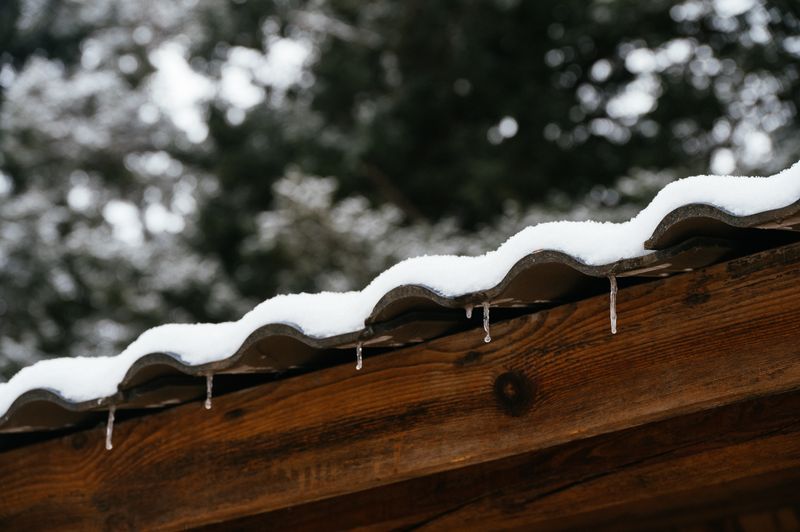
Cold climates demand a lot from a roof. Between heavy snow loads, ice dams, freeze-thaw cycles that crack and lift materials, and wind-driven snow penetrating the smallest gaps, a poorly chosen or installed roof won’t last long in northern winters. The right material, combined with proper installation and ventilation, makes all the difference.
Here’s what you need to know when choosing roofing for a cold or snowy climate.
What Cold Climates Demand from a Roof
Before comparing materials, understand the specific stresses your roof faces:
- Snow load: Wet snow weighs 20 pounds per cubic foot. A heavy snowpack can add significant structural load.
- Ice dams: When heat escapes through the roof unevenly, snow melts and refreezes at the cold eaves, forming ice dams that back water up under shingles.
- Freeze-thaw cycles: Materials expand and contract repeatedly, stressing seams, sealants, and fasteners.
- Wind-driven snow: Fine snow can infiltrate tiny gaps, especially at ridges, valleys, and penetrations.
- Cold-temperature flexibility: Asphalt shingles become brittle below 40°F and can crack during installation or under foot traffic.
Top Roofing Materials for Cold Climates
1. Asphalt Shingles (with Proper Installation)
Asphalt shingles remain the most popular choice in cold climates — with good reason. They’re affordable, widely available, and perform well when installed correctly:
- Choose architectural (laminated) shingles over 3-tab. They’re heavier, more wind-resistant, and less prone to blow-off in storms.
- Look for Class 4 impact resistance rating if you’re in a region with hail.
- Specify “cold weather installation” with your contractor. Below 40°F, shingles must be hand-sealed rather than relying on self-sealing strips that won’t activate in cold.
- Ice and water shield is critical. Install it at least 24 inches past the interior wall line at eaves (36 inches in very cold climates) and in all valleys.
Brands with strong cold-climate track records: GAF Timberline HDZ, Owens Corning Duration, CertainTeed Landmark.
architectural shingles
2. Metal Roofing
Metal roofing is arguably the best overall performer in cold and snowy climates:
- Snow sheds easily from smooth metal surfaces — no accumulation, no ice dam risk from trapped snow.
- No seams to lift or crack with standing seam systems.
- Extremely wind-resistant — standing seam panels are mechanically fastened and can handle winds exceeding 130 mph.
- Lifespan of 40–70 years means fewer replacement cycles in a climate that stresses materials hard.
- Thermal expansion is managed with floating clip systems that allow panels to expand and contract without buckling.
The main trade-off is noise (rain and hail are louder on metal) and higher upfront cost ($15,000–$30,000 for most homes). Snow guards are recommended to prevent sudden snow slides that can injure people or damage landscaping below.
Browse snow guards for metal roofs through major retailers
3. Slate
Natural slate is one of the most durable roofing materials on the planet. It handles cold climates exceptionally well:
- Extremely dense — resists water absorption, which means freeze-thaw cycles cause minimal damage.
- Lifespan of 75–150 years — a properly installed slate roof can outlast the house.
- Non-combustible and resistant to impact.
The challenges: slate is extremely heavy (800–1,500 lbs per square), requiring structural reinforcement in most homes. Installation requires skilled slate roofers who are becoming increasingly rare. Cost ranges from $20,000 to $50,000+ for an average home.
Synthetic slate made from recycled rubber or polymer is a lighter, less expensive alternative that mimics the look and performs well in freeze-thaw conditions.
4. Concrete and Fiber Cement Tiles
Concrete tile is common in the Mountain West but is less ideal for the coldest, snowiest climates:
- High mass buffers temperature extremes well.
- Good longevity (30–50 years).
- However: Some concrete tile products can absorb water and crack through freeze-thaw cycles if not specifically rated for cold climates. Always check the freeze-thaw rating.
Fiber cement products (like some James Hardie roofing) are more resistant to freeze-thaw damage than standard concrete.
5. Cedar Shake and Wood Shingles
Traditional in northern climates, cedar has natural insulating properties and a classic look. However:
- Requires regular maintenance — annual treatment to prevent rot, mold, and moss.
- Not fire-resistant unless treated (Class B or C ratings).
- Many HOAs and municipalities now restrict or prohibit wood roofing due to fire risk.
If you choose cedar, use thick-butt premium shakes and install them over a ventilated air gap with a breathable underlayment to extend service life.
Installation Details That Matter Most in Cold Climates
The material is only part of the equation. In cold climates, these installation details are non-negotiable:
Ice and Water Shield
A self-adhering rubberized membrane that bonds to the roof deck and seals around nails. Install it:
- At all eaves, extending at least 24” inside the exterior wall line
- In all valleys
- Around all penetrations (pipes, skylights, chimneys)
- At all rakes in very cold or windy climates
Ice and water shield products
Attic Ventilation and Air Sealing
Ice dams form when warm air escaping from living spaces heats the roof deck unevenly. The solution is twofold:
- Seal all attic air leaks to stop conditioned air from entering the attic.
- Ensure adequate ventilation — continuous soffit vents and a ridge vent — to keep the roof deck cold and even.
A properly cold and evenly cold roof deck prevents ice dams regardless of which material is on top.
Steep Enough Pitch
Roofs with a pitch of at least 4:12 shed snow more readily. Very low-slope sections accumulate snow and require either a robust membrane system (TPO or modified bitumen) or active snow removal planning.
Comparing Options for Cold Climates
| Material | Cost (installed) | Lifespan | Snow/Ice Resistance | Freeze-Thaw Resistance |
|---|---|---|---|---|
| Asphalt (architectural) | $7,000–$14,000 | 25–35 yrs | Moderate | Good (if installed correctly) |
| Metal (standing seam) | $15,000–$30,000 | 40–70 yrs | Excellent | Excellent |
| Slate (natural) | $20,000–$50,000+ | 75–150 yrs | Excellent | Excellent |
| Synthetic slate | $12,000–$22,000 | 30–50 yrs | Very good | Very good |
| Cedar shake | $12,000–$20,000 | 20–30 yrs | Moderate | Fair (with maintenance) |
Bottom Line
For most homeowners in cold and snowy climates, architectural asphalt shingles with proper ice barrier installation offer the best value. If budget allows, standing seam metal is the most worry-free long-term option. In all cases, pair your material choice with excellent attic insulation, air sealing, and ventilation — those three factors prevent ice dams more effectively than any roofing material alone.
Ice protection is a system, not a product. Air sealing reduces heat loss into the attic, insulation slows heat transfer, ventilation helps keep the roof deck cold, and ice barrier underlayment protects vulnerable eaves if meltwater backs up.
See Also
- Ice dam prevention: protect your roof this winter — the root causes of ice dams and how to stop them through proper insulation, air sealing, and ventilation
- Roof ventilation guide — why attic airflow is critical in cold climates and how to improve it
- Asphalt shingles vs. metal roofing — a detailed head-to-head comparison of the two most popular options for cold-climate homeowners

Shingle Science Editorial Team
Independent trade-focused editorial team