Asphalt Shingles vs Metal Roofing: Which is Better?
Quick answer
Asphalt shingles usually win on lower upfront cost and familiar installation, while metal roofing offers longer service life, lower weight, and strong shedding performance when detailed correctly. The better choice depends on budget, roof shape, climate, and ownership horizon.
Common questions
- Is metal roofing always better than shingles?
- No. Metal can last longer, but it costs more upfront and needs correct flashing, fastening, and expansion details. Asphalt may be the better value for shorter ownership timelines.
- What should bids compare besides material?
- Compare underlayment, fastening system, flashing, ventilation, trim, panel gauge or shingle grade, workmanship warranty, and how penetrations will be handled.
Source note: Reviewed July 2026 against the article guidance and common roofing trade practice; roof condition, local code, warranty terms, and weather exposure control final decisions.
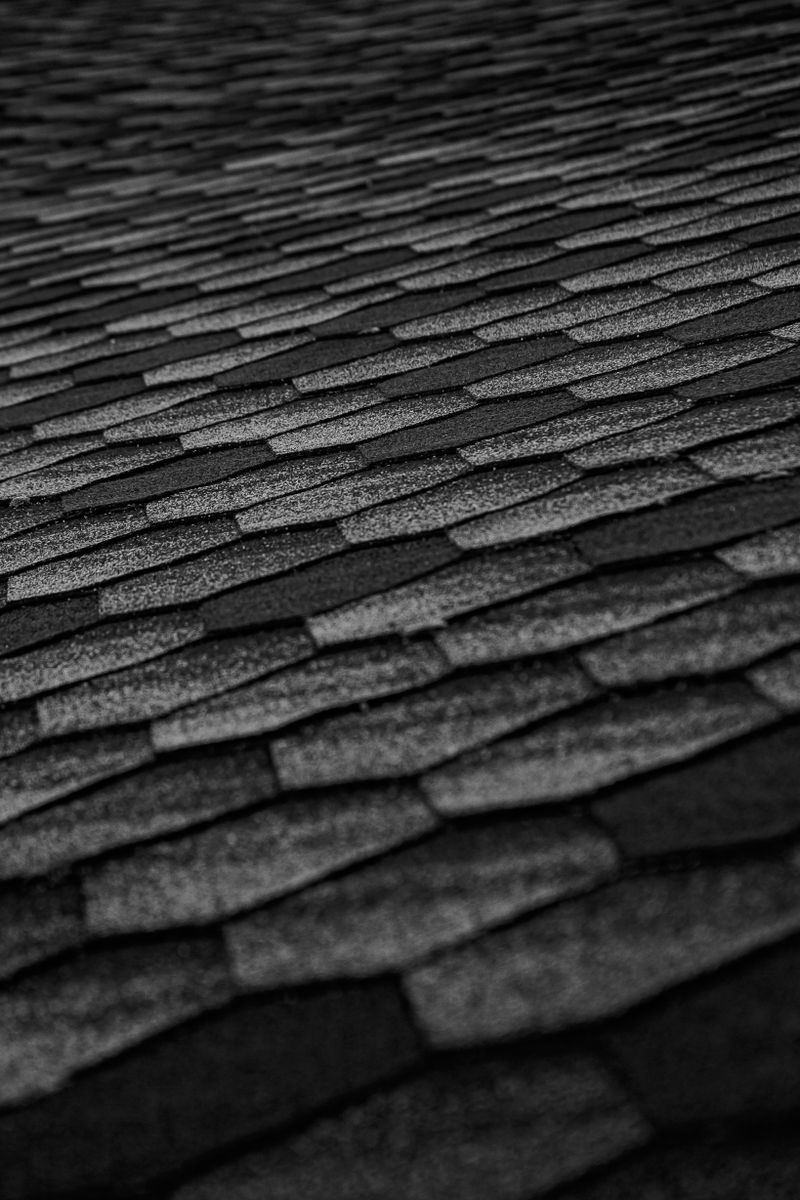
Asphalt shingles and metal roofing are the two most popular residential roofing choices in North America — and they represent very different approaches to protecting your home. Understanding the trade-offs helps you make the right call for your budget, climate, and long-term goals.
Quick Answer: Asphalt or Metal Roofing?
Choose asphalt shingles if upfront budget, simple repairs, and broad contractor availability matter most. Choose metal roofing if you plan to stay in the home long enough to benefit from a longer service life, better wind resistance, and lower maintenance.
For most homeowners, the decision comes down to cash flow versus lifecycle cost. Asphalt usually wins the first invoice. Metal can win over decades if the installation details, roof geometry, and local climate support it.
At a Glance
| Feature | Asphalt Shingles | Metal Roofing |
|---|---|---|
| Upfront cost | $7,000–$14,000 | $15,000–$30,000+ |
| Lifespan | 20–30 years | 40–70 years |
| Energy efficiency | Moderate | High (reflective) |
| Wind resistance | 60–130 mph | 130–160 mph |
| Hail resistance | Moderate | High (Class 4) |
| Noise (rain) | Quiet | Louder (with insulation: quiet) |
| Weight | 2–4 lbs/sq ft | 1–3 lbs/sq ft |
| DIY friendly | Moderately | No — professional only |
| Recyclability | Low | High |
Cost Comparison
Asphalt shingles are significantly cheaper upfront. A full replacement on a 2,000 sq ft home typically runs $8,000–$14,000 installed, depending on shingle grade and your location.
Metal roofing typically costs $15,000–$30,000 for the same home with standing seam panels — the premium option. Exposed fastener metal panels are cheaper ($8,000–$15,000) but have a shorter lifespan and more maintenance requirements.
However, the lifetime cost picture shifts considerably. If metal lasts 50 years versus asphalt at 25, you’ll pay for two asphalt roofs in the same period — and installation costs rise with inflation. Over a 50-year horizon, metal often costs less per year of protection.
Lifespan and Durability
Architectural asphalt shingles last 25–30 years under normal conditions. In climates with severe hail, intense UV exposure, or frequent temperature cycling, expect the lower end.
Metal roofing, properly installed, routinely lasts 40–70 years. Steel panels with Galvalume or Kynar coatings are highly resistant to corrosion, UV degradation, and impact. Many standing seam systems carry 30-to-50-year manufacturer warranties.
Winner: Metal — by a significant margin on lifespan.
Energy Efficiency
Standard asphalt shingles absorb heat. Dark-colored shingles can reach 150–170°F on summer afternoons, driving up cooling costs. “Cool roof” asphalt products with reflective granules are available and improve performance but don’t match metal.
Metal roofing — particularly unpainted aluminum or light-colored panels with Kynar/PVDF coatings — reflects solar radiation effectively. Energy savings of 10–25% on cooling costs are documented in hot climates. Metal also re-radiates absorbed heat quickly once the sun sets, whereas asphalt holds heat longer.
Winner: Metal — especially in warm or sunny climates.
Wind and Storm Resistance
Asphalt shingles are rated for wind speeds typically between 60–130 mph, depending on the product. Architectural shingles with Class H (high wind) ratings can handle 150 mph, but individual shingles can still lift and tear at lower speeds if seals fail with age.
Metal roofing is inherently more wind-resistant. Standing seam panels interlock along their full length with no exposed fasteners to back out. Many metal systems are rated to 160+ mph. In hurricane-prone regions, metal often remains intact when neighboring asphalt roofs suffer significant damage.
Winner: Metal — particularly in high-wind or hurricane zones.
Noise
Rain on a metal roof is louder than on asphalt. This is a legitimate concern for some homeowners. That said, it’s largely mitigated by proper insulation and solid sheathing underneath the panels. A well-insulated metal roof in a habitable attic space is typically no louder indoors than an asphalt roof.
Winner: Asphalt — for those sensitive to rain noise, though the gap is small with proper installation.
Aesthetics
Asphalt shingles have come a long way aesthetically. Premium architectural products convincingly mimic slate or wood shake. They’re available in hundreds of colors and profiles.
Metal roofing has also expanded far beyond the corrugated barn aesthetic. Standing seam systems are clean and modern. Metal shingles and tiles mimic traditional profiles well. Many historic district approvals now permit metal where strict visual standards apply.
It’s a draw — both materials offer strong aesthetic options today.
Weight
Metal is actually lighter than most asphalt products. A standing seam steel panel system weighs 1–1.5 lbs per sq ft. Heavy architectural shingles run 3–4 lbs per sq ft. This is particularly relevant for older homes where structural capacity may be a concern, or when installing over existing roofing.
Winner: Metal — lower weight puts less stress on the structure.
Environmental Impact
Asphalt shingles generate enormous landfill waste — an estimated 11 million tons annually in the US. Recycling programs exist but aren’t widely available in most markets.
Metal roofing is highly recyclable. Steel and aluminum panels are typically 25–35% recycled content when manufactured, and the material is 100% recyclable at end of life.
Winner: Metal — substantially better environmental profile.
Which Should You Choose?
Choose asphalt if:
- Budget is the primary constraint
- You plan to sell the home within 10–15 years
- You’re in a mild climate without extreme weather
- Your HOA or neighborhood aesthetic norms favor traditional shingles
Choose metal if:
- You’re committed to the home long-term
- You live in a high-wind, high-hail, or high-UV climate
- Energy efficiency and lower ongoing maintenance matter to you
- You want the most durable system available
Decision Table by Homeowner Priority
| Priority | Better fit | Why |
|---|---|---|
| Lowest upfront cost | Asphalt shingles | Materials and labor are widely available |
| Long ownership horizon | Metal | Longer service life can offset the higher initial cost |
| HOA compatibility | Asphalt shingles | Traditional appearance is easier to approve |
| Hot sunny climate | Metal or cool-rated shingles | Reflective finishes can reduce heat gain |
| Hail-prone region | Impact-rated shingles or quality metal | Product rating and installer detail matter more than category alone |
| Complex roof with many penetrations | Depends | Flashing skill matters more than material |
Installation Details Matter More Than Marketing
A premium material installed poorly will fail early. For asphalt shingles, wind performance depends heavily on correct nailing, starter strips, and adhesive sealing. For metal roofs, panel fastening, underlayment, expansion details, and flashing transitions are critical. Ask contractors for photos of similar completed jobs, product-specific installation training, and written ventilation or deck-prep recommendations.
Hidden Costs to Ask About
Metal quotes may exclude snow guards, upgraded underlayment, custom trim, or removal and reinstallation of gutters. Asphalt quotes may exclude deck repair, ridge vent changes, drip edge, or replacing old flashing. Ask for these items before comparing totals. The fairest comparison is not “shingles vs. metal”; it is two complete roof systems with the same assumptions about deck prep, ventilation, flashing, cleanup, and warranty.
That is also the comparison your insurance company or lender will understand best.
For most homeowners who plan to stay in their home for 15+ years and can absorb the higher upfront cost, metal roofing is the superior long-term investment. For everyone else, quality architectural asphalt shingles remain an excellent, proven choice.
See Also
- Architectural vs. 3-Tab Shingles — compare the most common asphalt options.
- Standing Seam vs. Corrugated Metal Roofing — understand two very different metal-roof systems.
- How Much Does a New Roof Cost? — compare full replacement budgets.
- Roof Underlayment Guide — see how underlayment affects leak performance under either material.
- Energy-Efficient Roof Tax Credits — check whether reflective or qualifying products affect net cost.
Compare roofing materials with cost and support guides
Use these related pages to compare shingle types, metal profiles, underlayment choices, incentives, and replacement costs.
- Architectural vs. 3-tab shingles
Compare asphalt shingle styles before choosing a replacement material.
- Standing seam vs. corrugated metal
Review metal-roof profiles, appearance, and installation implications.
- New roof cost guide
Connect material choice to the full replacement budget.
- Roof underlayment guide
Understand the layer beneath shingles or panels before comparing bids.
- Roof energy tax credits
Check incentive questions for qualifying energy-efficient roof materials.
- Storm damage roof checklist
Use the printable checklist to document existing damage before a material upgrade.

Shingle Science Editorial Team
Independent trade-focused editorial team