Cedar shake roof cost: How to compare quotes in 2026
Quick answer
There is no reliable universal cedar shake roof price. Current published U.S. estimates range from $6 to $30 per square foot installed because scope and assumptions differ. Measure the roof surface, define the cedar grade and fire-rated assembly, and compare complete local quotes line by line.
Common questions
- How much does a cedar shake roof cost per square?
- Published 2026 guides vary too widely to support one national number. One roofing consultant's defined red-cedar-shake scenario is $1,345 per square, while broader consumer guides imply roughly $600 to $3,000 per square. Compare local bids only after matching the roof area and scope.
- Why do cedar shake roof estimates differ so much?
- Roof area, cedar species and grade, fire or preservative treatment, tear-off, deck repairs, underlayment or interlayment, ventilation, flashing, pitch, access, labor, permits, and warranty scope can all change the price.
- Does fire-retardant treatment make cedar acceptable everywhere?
- No. A treated product is not automatically an accepted Class A roof assembly. Confirm the exact tested assembly with the building department, product listing, installer, and insurer before ordering material.
- Should an old cedar shake roof be repaired or replaced?
- A localized repair may make sense when damage is isolated and the surrounding shakes, flashing, and deck are sound. Widespread deterioration, repeated leaks, or code and insurance barriers can make replacement the more defensible choice after an on-roof inspection.
Source note: Price references checked August 2026; they are planning benchmarks, not bids. Installation, maintenance, fire classification, code acceptance, and insurance eligibility depend on the specified roof assembly, property, jurisdiction, and policy.
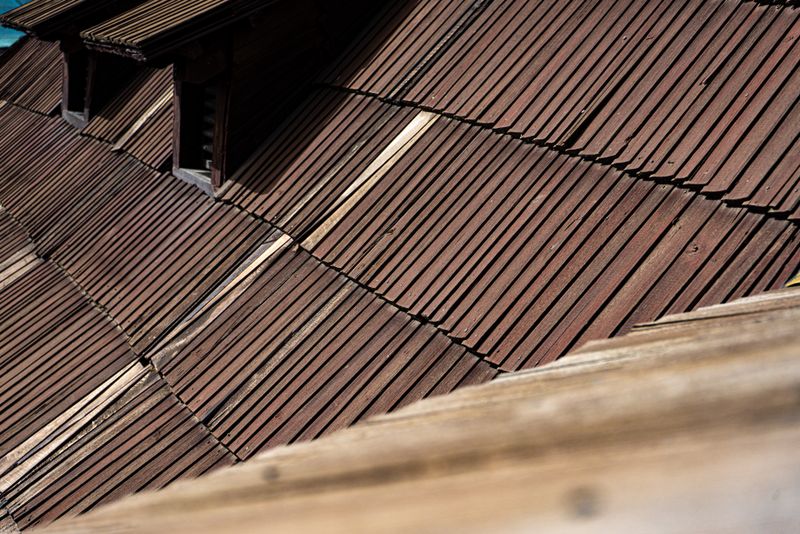
A cedar shake roof can be a beautiful premium system, but a national “average” is a poor substitute for a complete local quote. As of August 2026, published U.S. guides place installed real-cedar work anywhere from $6 to $30 per square foot. That fourfold spread reflects different products, roof shapes, locations, and—most importantly—different inclusions.
Use online prices only to set a research range. Your working cedar shake roof cost should come from measured roof area, an exact material and assembly specification, and at least three bids normalized to the same scope.
Cedar shake roof cost in 2026: What the numbers mean
One roofing square equals 100 square feet of roof surface, not 100 square feet of living space. A 2,000-square-foot house can have more or less than 2,000 square feet of roof depending on its stories, pitch, overhangs, additions, and attached garage.
Current published references do not agree:
| Published reference | Stated 2026 installed price | Important scope note |
|---|---|---|
| Angi, updated July 8, 2026 | $6–$15 per sq. ft. | Broad project range; location, grade, pitch, tear-off, and accessories affect the total |
| Roof Observations, updated January 3, 2026 | $13.45 per sq. ft. for red cedar shakes | Assumes a roof at 6:12 or below and includes typical system components, removal, and disposal |
| HomeGuide, dated November 23, 2025 | $25–$30 per sq. ft. for real cedar | Presented as a full installed replacement range |
The disagreement is useful: a price per square foot without a written scope is not comparable. Do not choose a contractor because one total happens to resemble an online calculator.
If you do not know your roof surface, start with our guide to measuring a roof, but let each bidder verify the field measurement. Do not climb the roof yourself.
The cedar-specific factors that change a quote
Product, grade, and treatment
A quote should name the species, shake type, grade, length, exposure, manufacturer or grading agency, and treatment. “Premium cedar” is not a specification.
The choice between hand-split and re-sawn, tapersawn, and other products changes material coverage and installation time. If you are still deciding between products, our cedar shakes vs. cedar shingles guide explains the construction and appearance differences without duplicating this cost analysis.
Pressure-impregnated fire-retardant or preservative treatment may add cost, but those treatments solve different problems. Require the applicable product label and installation instructions in the proposal.
Tear-off, deck, and water-control layers
Removal pricing should state the existing roof type, number of layers, disposal, and any special handling. After tear-off, damaged boards or sheathing can become a large change order. Ask for a unit price per sheet or square foot of replacement decking and require photos before extra work is approved.
The scope must also identify underlayment or shake interlayment, eave protection where required, valley material, wall and chimney flashing, drip edge, and penetrations. Read our roof underlayment guide to compare this part of the assembly rather than treating it as a generic allowance.
Ventilation, pitch, and access
Cedar needs a roof design that manages wetting and drying. A bid may include new intake or exhaust ventilation, a ventilating mat, or deck changes. Ask why each component is specified and whether it complies with the product instructions and local code. Our roof ventilation guide covers the broader attic-airflow questions.
Steep slopes, multiple stories, limited driveway access, landscaping protection, dormers, valleys, skylights, and chimneys all add staging, fall-protection, cutting, and flashing labor. Those conditions should be described, not buried in a higher lump sum.
Use this cedar shake quote worksheet
Give the same worksheet to every bidder. Blank cells are questions, not permission to assume an item is included.
| Quote item | Bid A | Bid B | Bid C |
|---|---|---|---|
| Measured roof area and number of squares | |||
| Waste factor and final order quantity | |||
| Cedar species, type, grade, length, exposure | |||
| Manufacturer or grading label | |||
| Fire or preservative treatment and listing | |||
| Tear-off layers, hauling, and disposal | |||
| Deck repair unit price and allowance | |||
| Underlayment/interlayment and eave protection | |||
| Ventilation or ventilating-mat work | |||
| Valleys, flashing, edge metal, and penetrations | |||
| Permit, tax, access, and site protection | |||
| Workmanship and material warranty terms | |||
| Exclusions, optional work, and change-order rules | |||
| Total fixed price plus allowances |
Calculate a scope-adjusted cost per square only after filling the gaps:
(Quoted total + required omitted work − optional upgrades) ÷ measured roofing squares
For example, a $26,000 bid on a 20-square roof appears to be $1,300 per square. If it excludes $3,000 of required tear-off and $1,500 of permit and flashing work included by another bidder, its comparable total is $30,500, or $1,525 per square. This is an illustration of quote normalization, not a market estimate.
The site’s roof replacement estimate worksheet provides a printable next step, and our contractor hiring guide covers licensing, insurance, references, and payment terms.
Check fire code and insurance before comparing finishes
Wood roofing deserves an early eligibility check. The Cedar Shake & Shingle Bureau’s May 2025 manual covers treated products, ventilation, flashing, and maintenance, but explicitly says its guidance does not supersede local requirements and is intended for experienced professionals.
Fire performance belongs to the tested roof assembly, not a casual claim about the top layer. FEMA’s wildfire guidance notes that some exterior fire-retardant-treated wood shakes can be components of a Class A assembly when combined with the appropriate underlayment and decking. By contrast, the California Department of Insurance’s Safer from Wildfires guidance says wood shake shingles do not meet its Class A roof step.
Before paying a deposit:
- Send the exact product and assembly listing to the local building department.
- Ask the insurer whether that exact assembly is eligible and whether the premium or deductible changes.
- Check HOA or historic-district restrictions.
- Put required fire treatment, installation details, and approvals in the contract.
Do not assume a topical coating applied after installation creates a recognized fire classification.
Budget for ownership, not just installation
Cedar’s total cost includes inspection, debris removal, moss or biological-growth control where needed, localized shake replacement, flashing work, and any manufacturer-approved treatment. Frequency depends on tree cover, moisture, exposure, product, and climate, so use our cedar shake roof maintenance checklist to define the scope instead of adopting a universal three- or five-year schedule.
Build a simple 10-year ownership comparison:
Installed project + scheduled inspection/maintenance quotes + repair allowance + insurance-cost change
Compare that total with an asphalt or other roof proposal covering the same tear-off, deck, flashing, and ventilation scope. Our material-agnostic new roof cost guide helps keep those system costs consistent.
Repair or replace an existing cedar shake roof?
A repair is easier to justify when damage is confined to a small area, the surrounding shakes remain serviceable, flashing and deck are sound, and matching material can be integrated without disturbing a large section.
Replacement deserves serious consideration when deterioration is widespread, leaks recur in different areas, the deck or ventilation needs broad correction, or local code and insurance rules prevent a like-for-like reroof. Age alone is not a diagnosis. Have a cedar-experienced roofer document conditions with photos and separate urgent water-control work from optional appearance work; see our roof repair cost guide for the broader decision framework.
Your next step
First, call the building department and insurer with the proposed cedar product and tested assembly. Then have three cedar-experienced contractors measure the same roof and complete the worksheet above. Compare the adjusted scope, maintenance obligations, and warranty—not just the bold total at the bottom.
A transparent quote turns cedar shake roof cost from an unreliable national average into a property-specific decision you can defend.

Shingle Science Editorial Team
Independent trade-focused editorial team