Skylight Installation Cost Guide 2026: What to Expect
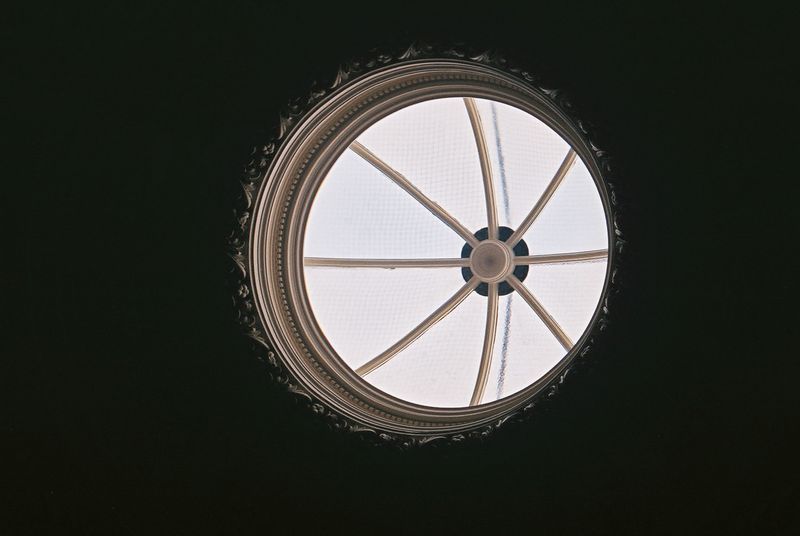
A skylight can transform a dark interior into a sun-filled space — and unlike adding windows, it doesn’t require giving up wall space or privacy. But the price range for skylight installation is wide. A basic tubular skylight can be installed for under $500 all-in, while a large VELUX venting skylight on a tile roof with an electric blind kit can run $4,000–$6,000 or more.
Understanding what drives those cost differences helps you make a smarter decision — and avoid the contractor who low-balls the quote and then nickels-and-dimes you on the flashing kit.
The Three Types of Skylights
Before diving into costs, you need to understand the fundamental product categories. Each has different price points, installation complexity, and best use cases.
Fixed Skylights
Fixed skylights are sealed — they don’t open. They’re purely for light. Because they have no moving parts, they’re the most affordable skylight type, less prone to leaks over time, and simpler to install.
Best for: Hallways, stairwells, bathrooms (when ventilation isn’t needed), living rooms, and any space where maximum light with minimum complexity is the goal.
Price range (installed): $800–$2,500 depending on size and roof type.
Venting Skylights
Venting (or ventilating) skylights open to allow airflow, functioning as both a light source and a passive ventilation tool. They come in two operational types:
- Manual venting — opened with a hand crank or pole. Less expensive; good for skylights within reach.
- Electric venting — motor-operated with a remote or smart-home integration. Also available with rain sensors that close automatically. More expensive upfront but very convenient.
Best for: Kitchens, bathrooms, rooms with moisture issues, and any space where you want the combined benefit of daylighting and natural ventilation. VELUX’s solar-powered blinds and venting mechanisms are worth considering for reducing daytime heat gain.
Price range (installed): $1,500–$4,500 for manual; $2,500–$6,000+ for electric models with accessories.
Tubular Skylights (Sun Tunnels / Solar Tubes)
Tubular skylights are a fundamentally different product. Instead of a glazed unit set into the roof deck, they consist of a small dome on the roof connected via a highly reflective tube (usually 10 or 14 inches in diameter) to a diffuser mounted in the ceiling. The tube can be flexible or rigid and can bend around framing obstacles.
Tubular skylights are much simpler to install, less prone to leaks, and suitable for small spaces. They don’t provide views or ventilation — just light diffusion.
Best for: Closets, hallways, laundry rooms, small bathrooms, and spaces where a traditional skylight won’t fit.
Price range (installed): $400–$1,200. DIY-capable for mechanically confident homeowners.
Cost Breakdown by Roof Type
The type of roofing material on your home significantly affects installation cost — primarily because flashing details vary in complexity.
Asphalt Shingles
Asphalt is the most skylight-installer-friendly surface. Flashing is straightforward, and any experienced roofer can handle the integration. Most manufacturers include a pre-fabricated flashing kit designed for asphalt applications.
- Labor addition over flat roof: Minimal — standard installation
- Flashing kit cost: $100–$250 for fixed; $150–$350 for deck-mounted venting
- Total installed range: $900–$3,500 depending on unit type and size
Metal Roofing (Standing Seam)
Metal roof skylight installation requires seam-specific curb-mount flashing or specialized deck-mount kits. The installer needs to be experienced with metal roofing; an improperly flashed skylight on metal is a high-leak-risk installation.
- Labor premium: $300–$800 above standard asphalt installation
- Flashing kit cost: $200–$500 (manufacturer-specific to seam profile)
- Total installed range: $1,500–$5,000+
Clay or Concrete Tile
Tile roofing is the most complex substrate for skylight installation. Tiles must be carefully removed around the opening, sometimes cut to fit around the curb, and reinstalled with waterproofing measures that account for tile’s irregular surface. Contractors without tile experience should not attempt this.
- Labor premium: $500–$1,500 above standard installation
- Flashing kit cost: $250–$600 (tile-compatible elevated curb systems)
- Total installed range: $1,800–$6,000+
Flat Roofing (TPO/EPDM/Built-Up)
Flat roof skylights are typically curb-mounted — the skylight unit sits atop a framed curb that raises it above the roof membrane. This is a clean detail on flat roofs when done correctly, but requires coordination between skylight installation and waterproofing of the curb/membrane junction.
- Curb construction cost: $200–$600 (typically built on-site or pre-fabricated)
- Flashing/membrane integration: $300–$700
- Total installed range: $1,500–$4,500
Curb-Mount vs Deck-Mount
This technical distinction drives both cost and performance differences:
Deck-mounted skylights (also called self-flashing) attach directly to the roof deck using an integrated flashing system. The flashing kit is engineered to integrate with shingles or other roofing materials. This is the most common installation method for residential sloped roofs.
- Pros: Lower profile, better aesthetics, simpler installation on standard slopes
- Cons: Requires slope-specific flashing kit; not appropriate for low-slope roofs
Curb-mounted skylights sit atop a separate wooden frame (curb) that’s built up from the roof deck and waterproofed. The skylight unit fastens to the top of the curb.
- Pros: Works on any slope including flat; easier to replace the skylight unit without disturbing roofing
- Cons: Higher profile; curb requires its own waterproofing; more complex installation
On a typical residential sloped roof, deck-mount is the standard and preferred method. On flat or very low-slope roofs, curb-mount is required.
VELUX vs Fakro vs Sun-Tunnel: Brand Pricing
VELUX
VELUX is the dominant premium brand in the residential skylight market — the company essentially invented the modern residential skylight and has the broadest product line. Their products are well-engineered and come with comprehensive flashing kits designed for specific roof types.
VELUX Fixed (FS series):
- 14” x 46” unit: ~$350–$450 (material only)
- 21” x 46” unit: ~$450–$600
- Installed (asphalt shingle): $1,200–$2,000
VELUX Manual Venting (VS series):
- 14” x 46” unit: ~$500–$700
- Installed (asphalt shingle): $1,800–$2,800
VELUX Electric Venting (VS with solar or electric motor):
- Unit with solar kit: $900–$1,500
- Installed: $2,500–$4,500
VELUX Sun Tunnel (tubular skylight):
- 10” rigid tunnel kit: ~$250–$350
- 14” rigid tunnel kit: ~$300–$450
- Installed: $550–$1,100
VELUX flashing kits are sold separately and are roof-type specific (asphalt, tile, metal, flat) — budget $150–$500 for the flashing kit depending on roof type. This is a common cost that surprises homeowners when comparing quotes.
VELUX also offers blinds, shades, and control systems as accessories. Motorized blackout blinds for a venting skylight can add $200–$500 per unit.
Fakro
Fakro is a Polish manufacturer that’s grown significantly in North American market share over the past decade. Products are well-engineered and typically priced 15–25% below VELUX for comparable units.
Fakro Fixed (FX series):
- Comparable units: ~$280–$400
- Installed: $1,000–$1,800
Fakro Manual Venting (FTS/VCE series):
- Units: ~$400–$600
- Installed: $1,500–$2,500
Fakro is a good option when working with a contractor familiar with their product line. VELUX’s broader contractor familiarity means more installers will be comfortable with it; Fakro’s lower price point is attractive when you have a reliable installer experienced with the brand.
Sun-Tunnel (VELUX)
VELUX’s Sun-Tunnel line is the market leader in tubular skylights, competing with Solatube and ODL. Sun-Tunnels are available in two profiles:
- TCR (Rigid Tunnel): Straight run, maximum light transmission
- TWF (Flexible Tunnel): Can navigate around framing obstacles; slightly less efficient
Sun-Tunnel installed by a professional typically runs $600–$1,000. Many homeowners with moderate DIY skills install them successfully with the included instructions.
Labor Cost Factors
Labor typically represents 40–60% of total skylight installation cost. Key factors:
Roof pitch: Steeper roofs require safety equipment and slow down the work. Pitches above 7:12 add $150–$400 to labor.
Attic access: Easy attic access allows efficient routing of shaft or flashing from below. Difficult attic configuration (spray foam, tight crawl space) adds time.
Shaft construction: If the skylight is more than 6 inches above the finished ceiling (which is usually the case), a light shaft must be framed and drywalled between the roof opening and the ceiling opening. Shaft construction adds $300–$800 depending on depth and finish quality.
Number of units: Per-unit cost typically decreases when installing multiple skylights in the same project.
Market: Labor rates in the Northeast, California, and major metros run 25–50% higher than in the South and Midwest.
DIY vs Professional Installation
DIY is feasible for:
- Tubular skylights on asphalt shingle roofs with straightforward attic access
- Experienced DIYers with roofing experience installing fixed deck-mounted units
Professional is recommended for:
- Any venting skylight (electrical work may be involved for electric models)
- Tile or metal roof installations
- Curb-mounted units on low-slope roofs
- Situations where waterproofing errors could cause significant interior damage
The risk calculation: An improperly flashed skylight can cause thousands of dollars of water damage — to framing, insulation, ceilings, and finishes. Unless you’re genuinely confident in your roofing and flashing technique, the labor cost of a professional installation is worthwhile risk mitigation.
Total Cost Summary
| Skylight Type | Roof Type | Installed Cost Range |
|---|---|---|
| Tubular (10”–14”) | Asphalt | $400–$1,100 |
| Fixed (medium) | Asphalt | $900–$2,200 |
| Fixed (medium) | Tile | $1,800–$3,500 |
| Manual venting | Asphalt | $1,500–$3,000 |
| Electric venting | Asphalt | $2,500–$5,000 |
| Electric venting with blinds | Tile or metal | $3,500–$6,500+ |
These ranges represent professional installation in typical U.S. markets. Get at least two quotes from contractors experienced with your specific roof type, and make sure the quote explicitly includes the flashing kit and shaft construction — those are the two most common sources of quote-to-invoice surprises.

ShingleScience Team
Roofing Contractor & Founder of ShingleScience