Silicone vs acrylic roof coating: Which is right?
Quick answer
Choose only after the roof manufacturer or coating supplier approves the substrate and assembly. A silicone system that expressly allows permanent ponding is the usual starting point for a sound roof with recurring standing water; conventional acrylic is often better suited to positive drainage and a dry curing window. Foot traffic, future recoating, climate, and the exact warranty specification can change the answer.
Source note: Reviewed August 14, 2026 against current CRRC, Gaco, Henry, and KARNAK documentation. The comparison describes product categories, but exact technical data sheets and written system approval control each project.
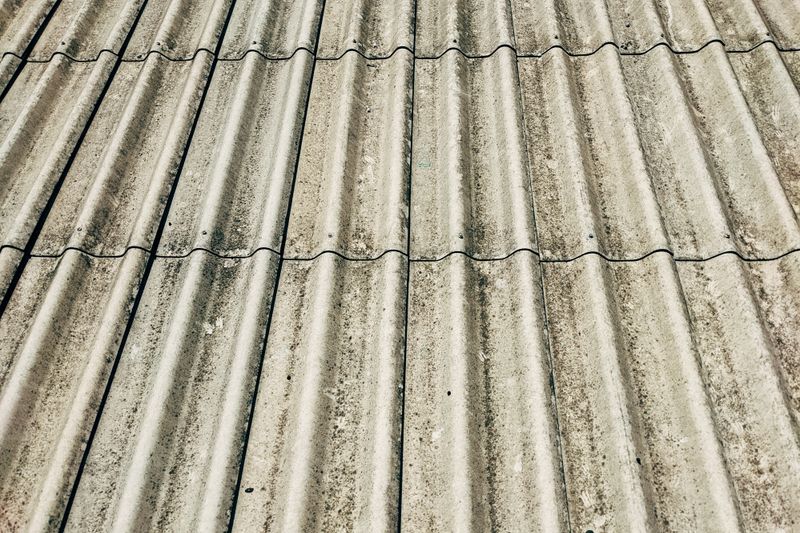
Silicone is not automatically better than acrylic, and acrylic is not automatically disqualified by a wet climate. The controlling questions are whether the exact system is approved for the roof, whether water ponds after rain, and whether the installer can meet the required preparation and curing conditions.
Use the verdict table first. If the roof is saturated, structurally unsound, badly blistered, or at the end of its service life, neither coating is the right repair.
Silicone vs acrylic roof coating verdict
| Decision factor | Silicone coating | Acrylic coating | Practical verdict |
|---|---|---|---|
| Drainage and ponding | Some products expressly withstand permanent ponding | Many conventional products require positive drainage; some hybrids are tested for ponding | Read the exact data sheet—do not decide from chemistry alone |
| Substrate | Often specified over approved metal, foam, asphaltic, concrete, and aged single-ply systems, sometimes with primers | Often specified over approved metal, asphaltic, concrete, and existing acrylic systems | Written system approval and an adhesion test outrank a generic compatibility list |
| Climate and cure | Moisture-cure products may tolerate a shorter rain window, but temperature and dew limits still apply | Water-based films need suitable temperature, drying time, and rain-free weather | Choose the product whose application window the crew can actually meet |
| Foot traffic | Can be slippery and vulnerable to concentrated traffic without an approved walkway | Not a pedestrian deck unless the system says otherwise | Use designated walk pads or a traffic-rated system |
| Future recoating | Usually recoated with compatible silicone after cleaning, testing, and any required primer | Often recoated within its approved acrylic system; silicone may be possible with preparation | Plan the next restoration now; never assume one chemistry bonds to another |
| Warranty and service life | Long system warranties may be available at specified thicknesses through qualified applicators | Warranty options vary by product, system, thickness, and drainage | Warranty years are not a universal lifespan estimate |
Start with drainage, not marketing
The strongest general distinction is water exposure, but even that needs a product name and specification.
Gaco states that GacoFlex S20 will not soften, bubble, or degrade under permanent ponding water. Its current resources separate specifications for metal, single-ply, asphaltic, foam, and recoat work, so the ponding claim does not erase substrate-specific preparation.
By contrast, KARNAK’s roofing FAQ explains that acrylic and aluminum coatings can lift or peel under prolonged water, while silicone coatings generally resist ponding better. That supports silicone as a starting category—not as a universal approval.
There are exceptions. Henry’s 817 Roof Guard technical data describes an acrylic-polyurethane hybrid that passes ASTM D7281 water-migration testing and is marketed as permanently ponding-water resistant. The accurate rule is therefore:
For recurring standing water, require an exact product and assembly that expressly allow it. Do not reject or approve a roof coating from the word “acrylic” or “silicone” alone.
Coating over a low spot also leaves the low spot in place. Clear blocked drains and assess tapered insulation, deck deflection, saturated materials, and code-required drainage before restoration.
Substrate approval can decide the job
A coating must bond to what is actually on the roof: aged TPO, EPDM, PVC, modified bitumen, built-up roofing, spray foam, metal, concrete, or an unknown existing coating. Weathering, plasticizer migration, rust, oils, asphalt bleed, chalk, and prior repairs can all change adhesion.
For example, the current Gaco S20 page lists weathered single-ply membranes, metal, built-up roofing, mineral cap sheet, existing elastomeric coating, and spray polyurethane foam. It also ties certain labor-and-material warranty availability to Gaco-qualified applicators, a specified primer, and Gaco specifications.
That is why a contractor should:
- Identify the membrane and every existing coating.
- Perform the manufacturer’s required moisture investigation.
- Make and document adhesion tests at representative areas.
- Use the specified cleaner, primer, bleed blocker, seam treatment, and reinforcement.
- Apply and record the required wet- and dry-film thickness.
If the system supplier will not approve the existing assembly in writing, a different restoration system or replacement may be the safer scope.
Climate affects installation and performance differently
“Use silicone in wet climates and acrylic in dry climates” is too simple. Long-term rain exposure and the short-term cure window are different questions.
Silicone systems that permit permanent ponding can be valuable where drainage remains imperfect. Yet the roof still must meet the product’s surface condition, temperature, frost, dew, and rain-window instructions during installation.
Water-based acrylic needs enough warmth and evaporation time to form a continuous film. A dry climate can help curing, but a very hot roof or wind can also make application control difficult. Cooler or humid weather can extend dry time. The forecast and surface temperature—not the calendar alone—should drive scheduling.
UV exposure does not settle the choice either. Both chemistries can be sold as reflective roof coatings, and reflectance changes with the exact color, formulation, aging, dirt pickup, and maintenance. Use the CRRC Rated Roof Products Directory to compare measured initial and aged values for exact products, then read our cool roof energy savings guide for climate and insulation limits.
Foot traffic needs its own system detail
Neither ordinary roof coating is a substitute for a pedestrian deck membrane. HVAC service routes, hatch landings, and repeated maintenance traffic create abrasion and slip risks.
Silicone is often especially slippery when wet. Gaco publishes a separate WalkPad accessory and system coverage guidance, which illustrates the correct approach: designate traffic paths and use the coating manufacturer’s approved walkway detail. Do not scatter generic granules or apply an unrelated traffic coating without written compatibility.
If the roof supports regular occupant use rather than occasional service access, specify a traffic-bearing waterproofing assembly designed for that use.
Recoating and repairs are lifecycle decisions
Cured silicone has low surface energy, so future adhesion requires special attention. A silicone roof is commonly cleaned, adhesion-tested, and recoated with a compatible silicone system; contaminated or weathered surfaces may need additional preparation or primer.
Acrylic is often easier to renew within an approved acrylic system, but “recoatable” never means any product can be rolled over it. Existing dirt, chalk, biological growth, moisture, and patch materials still need evaluation.
Ask these questions before choosing:
- What repair products can be used five years from now?
- Which recoat specification preserves warranty eligibility?
- Are walkways, drains, penetrations, and rooftop equipment included?
- Who records batch numbers, coverage, test cuts, and inspection results?
Do not use a universal lifespan or cost number
Claims such as “silicone lasts 20 years” and “acrylic lasts 10” hide the variables that matter. Manufacturer warranty options may depend on substrate condition, contractor qualification, primer, reinforcement, total thickness, inspection, registration, and maintenance. Warranty duration is a contract term, not a prediction that every installation will remain leak-free for that period.
Price-per-gallon comparisons are similarly incomplete. The project cost includes cleaning, repairs, wet-material removal, primers, bleed blockers, seam treatment, reinforcement, coating thickness, access, fall protection, waste, and inspections. Compare written scopes at the same finished specification.
A six-step choice process
- Confirm the roof is a coating candidate. Investigate leaks and moisture; repair structural and drainage defects first.
- Identify the exact substrate. Include prior coatings and repair materials.
- Measure drainage. Record where water remains after the roof’s expected drainage period.
- Get system approval. Obtain the manufacturer’s specification for that assembly and condition.
- Compare lifecycle constraints. Review traffic, cleaning, repair, recoating, reflectance, and warranty terms.
- Compare complete bids. Require preparation, accessories, coverage, thickness, inspections, and exclusions in writing.
For category and product examples after those decisions, use our roof sealants and coatings guide. For a localized leak rather than whole-roof restoration, use the roof cement vs roof sealant guide.
The bottom line
Choose an approved system, not a chemistry slogan. A silicone product that expressly allows permanent ponding is often the best starting point for a qualifying roof with recurring standing water. A compatible acrylic system can be a strong option on a sound, positively drained roof when the curing window and lifecycle plan fit.
If drainage, substrate, traffic, or warranty approval remains uncertain, resolve that uncertainty before coating. The least expensive pail is costly when it is installed over the wrong roof.
Sources

Shingle Science Editorial Team
Independent trade-focused editorial team