Roof flashing repair cost: What your quote should include
Quick answer
A flashing quote should name the leak investigation, exact transition, repair method, roofing materials to be removed and restored, allowances for hidden damage, permits, cleanup, and warranty. Compare scope before price.
Common questions
- Can roof flashing be resealed instead of replaced?
- Sometimes. Resealing can be a limited repair when the metal and surrounding roof assembly remain correctly installed and serviceable. Corroded, damaged, loose, or incorrectly lapped flashing usually requires removal and reflashing rather than another surface bead.
- Why do chimney flashing quotes vary so much?
- A quote may cover only an exposed joint, one side of step flashing, or the complete base-and-counter-flashing system. Chimney size, masonry condition, roof pitch, access, cricket work, and concealed deck damage also change the scope.
- Should a flashing quote include hidden roof damage?
- The contractor may not know the final quantity until materials are removed, but the quote should state what is included, give unit prices or an approval process for extra decking or masonry work, and require documentation before added work proceeds.
Source note: Price sources were checked September 11, 2026. Technical guidance was checked against the 2024 IRC, current GAF documents, VELUX guidance, and OSHA fall-protection requirements; local rules and product instructions control.
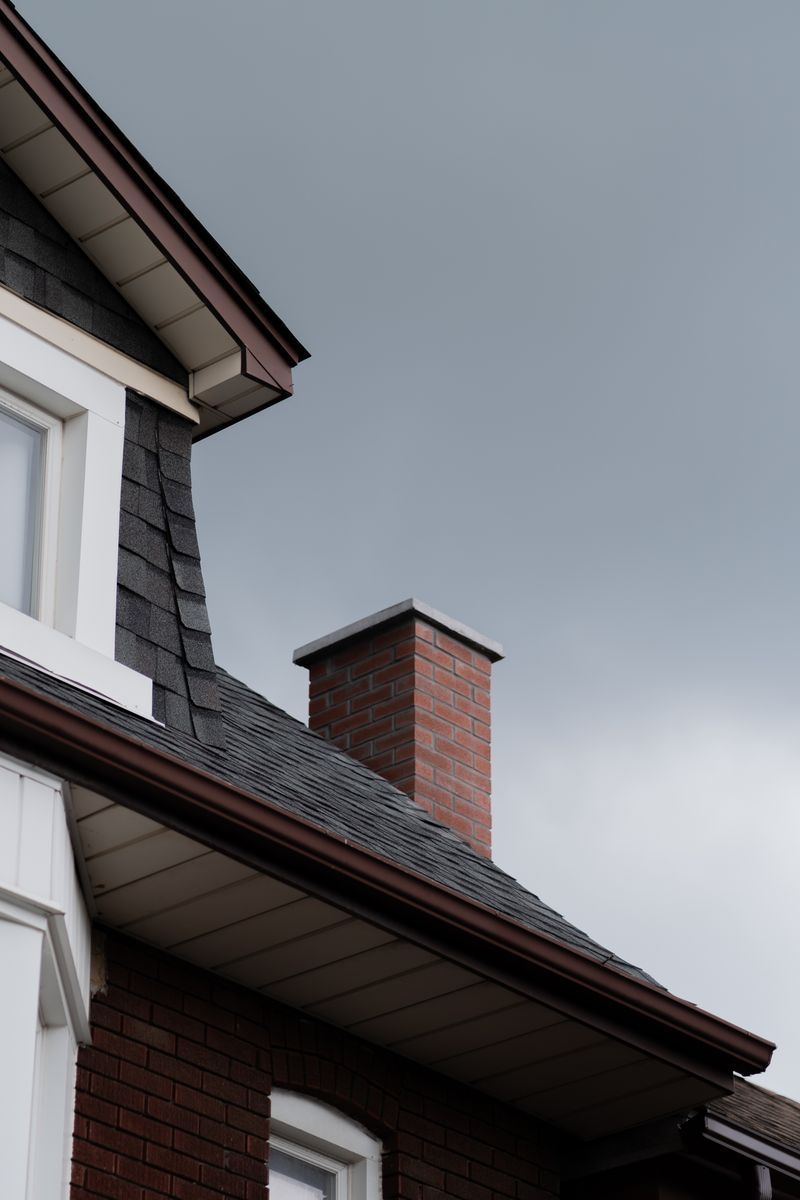
Roof flashing repair cost is difficult to compare because two estimates can use repair for different work. One roofer may reseal an intact joint; another may remove shingles, replace corroded metal, restore underlayment, and rebuild the water-shedding laps.
For a US planning baseline, Modernize reported in its 2026 guide that professional flashing repairs commonly cost $200 to $600, with many projects around $300 to $450. Chimneys are often more involved: Angi’s August 3, 2026 cost guide places chimney flashing repair at $400 to $1,600 and says minor professional resealing starts around $200.
Those figures are planning references, not a fair-price test. Compare price for the same written scope.
Roof flashing repair cost starts with the repair level
Ask each contractor to place the work in one of these categories. If the estimate does not, request clarification before comparing totals.
| Quote level | When it may fit | What the written scope should include | Key question |
|---|---|---|---|
| Investigation only | The leak source is uncertain or several transitions are nearby | Inspection method, accessible attic or moisture observations, photos, findings, and whether the fee is credited to repair | What evidence will distinguish flashing failure from roofing, masonry, skylight, siding, or condensation problems? |
| Reseal or maintain | The metal is correctly arranged and serviceable, but a designated joint or approved seal needs renewal | Exact joint, surface preparation, compatible sealant, limited-work warranty, and why replacement is not needed | Is this maintenance of a designed sealant joint or a surface patch over a failed assembly? |
| Localized flashing repair | Damage is confined to a defined piece or short section | Materials lifted or removed, new metal or accessory, lap integration, fasteners, underlayment restoration, and matching roof-covering work | Which pieces remain, and how will the new work integrate with them? |
| Remove and reflash | Metal is corroded, loose, damaged, incorrectly installed, or inaccessible without opening the roof covering | Tear-off limits, full flashing components, manufacturer-compatible materials, roof-covering replacement, debris, and warranty | Does the price restore the complete water-shedding sequence or only the visible edge? |
| Reflash plus related work | Opening the transition may expose rotten decking, damaged masonry, siding, insulation, or interior finishes | Included allowance, unit prices, documentation, change-order approval, trade responsibilities, and schedule impacts | Who authorizes and completes each concealed repair before the area is closed? |
Resealing is not automatically wrong, and replacement is not automatically better. The decision depends on why water is entering and whether the existing assembly can still drain water as designed. A thick cosmetic bead cannot correct missing step flashing, rust-through, reversed laps, or a skylight kit that does not match the roof covering.
For component basics, start with our roof flashing guide. For the two-part wall and chimney detail, see step flashing vs. counter flashing.
How flashing location changes the quote
Chimney flashing
A chimney can require base flashing, individual step pieces, counter flashing, and a back pan or cricket. A quote for “seal chimney flashing” is not equivalent to complete reflashing.
HomeGuide’s February 10, 2026 guide reports a broad $300 to $1,800 average range for chimney flashing repair, including minor resealing at the low end and complete work on larger chimneys at the high end. Compare that dated range with the Angi range above: their overlap is useful, but the difference reinforces why chimney size, access, materials, and exact repair level belong in the quote.
Masonry is another scope. Ask whether open mortar joints, a cracked crown, porous masonry, or a missing cricket were evaluated—and which trade owns that work.
Sidewall and step flashing
At a roof-to-wall joint, replacing step flashing may require removing shingles and temporarily removing or working behind siding. The quote should state who restores the wall’s water-resistive layers, siding, and kickout detail at the eave.
The 2024 International Residential Code says asphalt-shingle sidewall flashing must direct water away from the wall and be continuous or stepped; where siding is present, the vertical leg continues beneath it. Your jurisdiction may use another code edition or amendments, so the contractor should identify the locally adopted requirement rather than simply writing “to code.”
Valley flashing
Valleys carry runoff from two roof planes. Replacing a metal valley commonly means removing roofing on both sides, restoring the valley underlayment and lining, and reinstalling enough roof covering to maintain the intended laps. Ask for the valley length, removal width, metal specification, underlayment, and tie-in method.
Skylight flashing
A stain near a skylight can come from the flashing system, the skylight itself, condensation, or uphill water migration. Confirm whether the quote includes diagnosis, a manufacturer-matched flashing kit, underlayment, surrounding roofing, or replacement of the skylight unit.
VELUX’s current flashing-system guidance separates kits by skylight type and roof covering and explains that step pieces interweave with shingles for drainage. That is why “metal around skylight” is not a complete material specification. Our leaking skylight guide helps separate likely sources before you approve work.
Vent, pipe boot, and drip edge
A pipe boot is a localized penetration detail; drip edge runs along eaves and rakes. Their labor, access, removal area, and connections are different. Use our roof vent pipe boot leak guide when the stain is near a plumbing vent rather than assuming every penetration leak needs the same flashing repair.
Seven factors that move a flashing estimate
- Diagnosis certainty. Water can travel along decking or framing before it becomes visible. A quote may need investigation before the repair scope is firm.
- Height, pitch, and access. A low porch roof and a steep multistory roof require different staging, labor, and fall protection.
- Roof covering. Asphalt shingles, wood shakes, tile, slate, and metal panels have different removal risks, matching problems, and installation instructions.
- Flashing material and geometry. Standard formed metal, custom-bent pieces, copper, long valleys, wide chimneys, and complex corners change fabrication and labor.
- Substrate damage. Wet or rotten sheathing, framing, siding, or masonry expands the job once the assembly is opened. Read our roof decking replacement cost guide before agreeing to an open-ended decking line.
- Permits and local requirements. The adopted code, permit threshold, inspection process, and contractor rules vary by jurisdiction. Ask who checks with the authority having jurisdiction and who pays the listed fee.
- Related restoration. Interior drywall, insulation, paint, masonry, gutters, siding, or a skylight unit may sit outside the roofer’s price.
What correct scope should reference
Flashing is a system detail, not a generic accessory. The 2024 IRC roof provisions require flashing at roof-wall intersections, roof-direction changes, and openings, while asphalt-shingle flashing must also follow the shingle manufacturer’s approved instructions. Local adoption and amendments still control.
For example, GAF’s current Timberline installation instructions show leak barrier, fabricated metal, and shingle integration at a chimney. GAF’s 2025 step-flashing technical note also ties its standard step-flashing detail to the wall-to-roof assembly. The takeaway is not that every roof needs a GAF detail; it is that the installed roof product and detail instructions must match the proposed repair.
Do not climb onto the roof to verify a bid. Photograph interior stains and record when they appear, then request exterior photos from a qualified contractor. OSHA’s residential-construction guidance requires protected workers at 6 feet or more above lower levels under the cited federal standard. Roof access is a controlled work activity, not a casual homeowner inspection.
Compare flashing quotes line by line
Before signing, look for these items in writing:
- The suspected water-entry point and evidence supporting it
- Reseal, localized repair, or full removal-and-reflashing language
- The exact chimney face, wall length, valley, skylight, vent, eave, or rake covered
- Roof covering and underlayment to be removed, replaced, and matched
- Flashing material, thickness or product, finish, and compatibility
- Masonry, siding, gutter, skylight, and interior work included or excluded
- Decking allowance or unit price and a photo-backed change-order process
- Permit responsibility and applicable manufacturer instructions
- Cleanup, disposal, start conditions, workmanship warranty, and exclusions
- How emergency dry-in work will be credited or replaced by the permanent repair
Be cautious when one quote proposes a surface seal and another proposes tear-off. That is a scope disagreement, not merely a price difference. Ask both contractors to explain the failure mode and expected service life in writing; a paid independent roof inspection can be worthwhile when diagnosis or scopes conflict.
Next step: turn the estimate into a comparable scope
Use the roof replacement estimate worksheet even for a focused flashing job. Mark non-applicable rows, then add the transition, removal limits, flashing components, related trades, hidden-damage process, and warranty.
If the repair is becoming a broader project, compare it with the roof repair cost guide and review how to find a roofing contractor. The best next move is not choosing the lowest number; it is getting every bidder to price the same durable outcome.

Shingle Science Editorial Team
Independent trade-focused editorial team