Impact-Resistant Shingles: Are Class 4 Shingles Worth It?
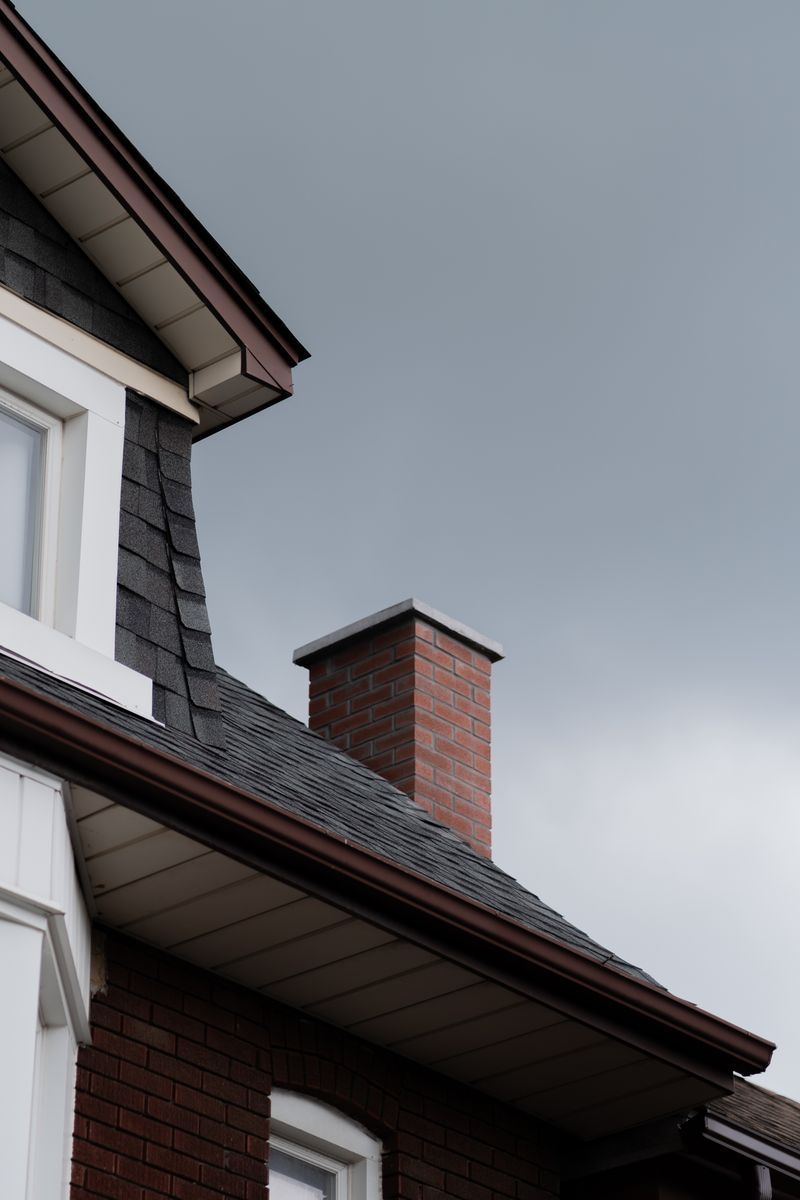
Hail causes more roofing insurance claims than any other weather event in the U.S., with the Insurance Institute for Business & Home Safety estimating billions in annual losses. If you live in the central or southern plains, the Front Range of Colorado, or anywhere in the broad hail belt stretching from Texas to the Dakotas, the roof above your head is a frequent target.
Impact-resistant shingles — specifically those rated Class 4 under the UL 2218 standard — exist precisely for this scenario. They cost more upfront, but in hail-prone markets, many homeowners recoup that premium through insurance discounts within a few years. This guide explains how the rating system works, which products qualify, and how to decide whether the upgrade makes sense for your home.
What Makes a Shingle “Impact-Resistant”?
Standard asphalt shingles are engineered primarily for weather resistance, UV stability, and fire performance. When a large hailstone hits, the granule surface can crack, and the mat beneath can fracture — leading to water infiltration and accelerated deterioration even if the damage isn’t immediately visible.
Impact-resistant shingles use modified asphalt formulations — typically incorporating rubber polymers or SBS (styrene-butadiene-styrene) — to add flexibility and toughness. When struck, these shingles absorb and disperse impact energy rather than cracking. The granule matrix also tends to be more resistant to being knocked loose.
Understanding the UL 2218 Class System
The industry standard for impact resistance is UL 2218, a test developed by Underwriters Laboratories. The test involves dropping steel balls of specific sizes onto conditioned shingle samples from a height of 20 feet and evaluating whether cracks form.
| Class | Steel Ball Diameter | Pass Criteria |
|---|---|---|
| Class 1 | 1.25 inches | No cracks after 2 drops |
| Class 2 | 1.5 inches | No cracks after 2 drops |
| Class 3 | 1.75 inches | No cracks after 2 drops |
| Class 4 | 2 inches | No cracks after 2 drops |
Class 4 is the highest rating available. A 2-inch steel ball dropped from 20 feet approximates the impact energy of large hail in real-world storm conditions. Shingles that pass are certified and listed by UL.
One important nuance: the UL 2218 test is a controlled laboratory procedure. Real hail varies in shape, density, and angle of impact. Class 4 certification is a strong signal of toughness, not a guarantee of zero damage in every storm.
The Insurance Discount Angle
The most compelling financial argument for Class 4 shingles isn’t the shingles themselves — it’s what they do to your insurance bill.
Many homeowners insurance carriers offer significant premium discounts for homes with Class 4 impact-rated roofing. The discount varies by insurer, state, and your specific policy, but typical ranges are:
- 10–20% discount from standard carriers in moderate hail markets
- 20–30% or more in high-risk states like Texas, Oklahoma, Colorado, and Kansas
- Some specialty carriers in extreme hail markets offer discounts exceeding 30%
How to find out what your insurer offers:
- Call your insurance agent and ask directly: “What discount do you offer for a Class 4 impact-rated roof?”
- Get the discount percentage in writing
- Calculate annual savings against the installed cost premium (typically $0.50–$1.50/sq ft more than standard architectural shingles)
For a 2,000 sq ft home with a $3,000/year homeowners premium, a 20% discount saves $600/year. If the Class 4 upgrade costs $1,500–$3,000 more than a standard re-roof, the payback period is 2.5–5 years — after which you’re generating pure savings for the life of the roof.
If you do experience hail damage, having a Class 4 roof can also meaningfully reduce the likelihood of a claim. Fewer claims mean better premium history, which matters when policies renew.
Top Class 4 Impact-Resistant Shingle Products
Owens Corning Duration FLEX
OC’s Duration FLEX is one of the most widely installed Class 4 shingles in the country. It starts with the proven Duration platform (SureNail Technology, Lifetime limited warranty, 130-mph wind rating) and adds a rubber-polymer modified asphalt formulation for impact resistance.
The FLEX designation indicates the enhanced flexibility from that polymer modification. It’s a drop-in upgrade from standard Duration for contractors already familiar with the product — which makes installation smoother and pricing more competitive.
Best for: Homeowners in moderate-to-high hail markets who want a Class 4 product from a major national brand with broad contractor familiarity.
Price premium over standard Duration: Typically 15–30% more per square.
Atlas StormMaster Shake
Atlas has built much of its brand identity around impact resistance, and the StormMaster Shake is its flagship product. It’s a Class 4 shingle designed to mimic cedar shake aesthetics — a meaningful visual upgrade over standard flat-profile architectural shingles — while delivering top-tier impact protection.
StormMaster Shake uses Atlas’s Scotchgard Protector algae-resistant technology (licensed from 3M) and carries an Atlas Golden Seal Warranty when installed by an Atlas PRO+ certified contractor.
It’s particularly popular in Texas, Oklahoma, and Colorado, where the combination of hail frequency and aesthetic appeal makes it a consistent upsell over standard architectural shingles.
Best for: Homeowners in high-hail markets who also want stronger curb appeal and are willing to pay a premium for both.
Price premium: 30–50% over standard architectural shingles.
CertainTeed Northgate
CertainTeed’s Northgate is the brand’s Class 4 offering, built on the same Landmark foundation with SBS-modified asphalt. It’s available in an extensive color palette that matches CertainTeed’s broader Landmark line, making it easy to use on partial repairs or additions without visible color mismatch.
Northgate is available through CertainTeed’s SureStart PLUS warranty program when installed by a qualified SELECT ShingleMaster or Master Shingle Applicator contractor.
Best for: Homeowners already oriented toward CertainTeed products, or those in the Northeast where CertainTeed distribution is strongest.
Malarkey Vista Class 4
Malarkey is a Pacific Northwest manufacturer with a strong sustainability focus and a growing national footprint. Their Vista shingle is a Class 4 product made with NEX polymer-modified asphalt and contains recycled rubber and plastic content.
Malarkey’s products are less widely distributed than the big three but are gaining traction in eco-conscious markets and are well-regarded for material quality.
Best for: Buyers who want Class 4 performance with a sustainability focus, particularly in western markets.
Who Should Seriously Consider Class 4 Shingles?
Strong case for upgrading:
- You live in a high-hail frequency ZIP code (Texas, Oklahoma, Kansas, Colorado, Nebraska, the Dakotas, or large swaths of the Midwest)
- Your insurance carrier offers a meaningful discount (10%+ — confirm this before buying)
- You’re already re-roofing and the cost difference is incremental, not the full price of a new roof
- You’ve filed a hail claim in the past 5–10 years and want to reduce future risk
Weaker case for upgrading:
- You live in low-hail areas (Pacific Northwest, coastal New England, Florida’s south coast) where hail frequency is low and insurance discounts may be minimal or nonexistent
- Your insurance carrier doesn’t offer a meaningful discount — the financial payback disappears without it
- You’re on a tight budget and the premium significantly strains the project
Cost Breakdown
Here’s a realistic range for a 2,000 sq ft (20-square) re-roof comparing standard architectural vs. Class 4 shingles:
| Standard Architectural | Class 4 (e.g., Duration FLEX) | Class 4 Premium (e.g., StormMaster Shake) | |
|---|---|---|---|
| Material cost | ~$2,200–$3,000 | ~$2,800–$4,000 | ~$3,500–$5,500 |
| Installed total | ~$8,000–$12,000 | ~$10,000–$14,000 | ~$12,000–$18,000 |
| Cost premium over standard | — | $1,500–$3,000 | $3,500–$6,000 |
Note: These are national averages. Local labor rates vary significantly. Always compare multiple written estimates from certified contractors in your market.
Getting the Most from an Impact-Resistant Upgrade
- Confirm the insurance discount before you buy — call your carrier, get the discount percentage in writing, and do the math on payback period
- Use a certified contractor — Class 4 products tied to enhanced warranties (Golden Seal, SureStart Plus) require certified installers; don’t lose that warranty benefit to save a few hundred dollars
- Get the classification documented — your insurer needs the UL 2218 Class 4 certificate for your specific product to apply the discount; your contractor or the manufacturer can provide this
- Compare at least 3 quotes — Class 4 shingles vary significantly in price by product and region; competitive quotes matter
The Bottom Line
In hail-prone markets, Class 4 impact-resistant shingles are one of the few roofing upgrades with a concrete, calculable financial return. The combination of reduced claim likelihood and insurance premium discounts can offset the cost premium within a few years — after which you’re ahead.
In low-hail markets, the financial case is thinner. The shingles still perform better under the stress of high winds and debris impact, but without an insurance discount to accelerate payback, the upgrade is harder to justify on economics alone.
If you’re replacing a roof in a hail-prone area, make one phone call to your insurer before you sign any contracts: ask what discount they provide for a Class 4 roof. That single data point will tell you most of what you need to know.

Shingle Science Editorial Team
Independent trade-focused editorial team