Best Time of Year to Replace Your Roof: A Seasonal Guide
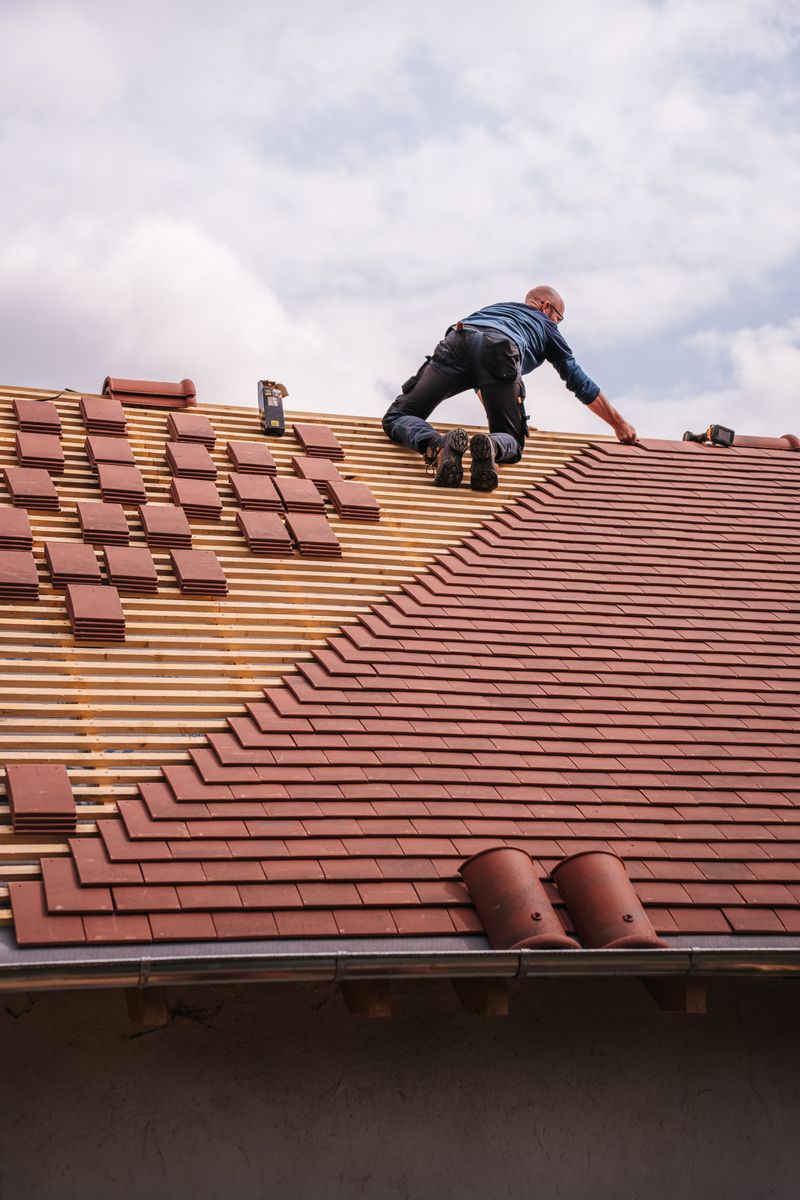
If your roof needs to be replaced, timing the project right can affect the quality of the installation, the price you pay, and how quickly you can get a crew on the calendar. The good news: unlike some major home projects, roof replacement can be done in every season under the right conditions. The bad news: each season comes with its own trade-offs.
Here’s what you need to know to plan your replacement at the right time — for your climate, your budget, and the life of your new roof.
Why Timing Matters: The Temperature Factor
Asphalt shingles — which account for roughly 80% of all residential roofing installations — have a critical dependency on temperature. The self-sealing strips on the underside of each shingle need warmth to activate and bond to the shingle below. This seal is what creates a wind-resistant, weather-tight roof.
The ideal installation temperature range is 40°F to 85°F. Within this range:
- Shingles are pliable and won’t crack when bent around hips and ridges
- The sealant strip activates within days of installation, typically with a few cycles of direct sun
- Nailing is accurate and shingles seat correctly
Below 40°F:
- Shingles become stiff and brittle — more prone to cracking during installation
- The sealant strip may not activate for weeks or months, leaving the roof temporarily vulnerable to wind lift
- Installers must hand-seal each shingle with roofing cement to compensate, adding time and labor cost
- Nailing requires extra care — cold shingles can crack around nail heads
Above 85–90°F:
- Shingles soften significantly, making them easier to scuff and damage underfoot
- Granules dislodge more easily during installation
- Crew fatigue and heat-related slowdowns affect quality in extreme heat
This temperature dependency is why fall and spring — not summer — are actually the premium installation windows in most of the country.
Season-by-Season Breakdown
Spring (March–May): Good Weather, Rising Demand
The case for spring: Spring offers moderate temperatures in most regions, making it technically one of the better installation windows. After a winter of sitting on damage, many homeowners schedule spring replacements, and contractors begin ramping up crews after the slow season.
The drawbacks:
- Spring is busy season for roofers. If you didn’t schedule in winter, you may be waiting 4–8 weeks or more for a slot.
- Spring storms can cause delays — a half-installed roof caught in heavy rain is a serious problem.
- Contractor lead times are long, which limits your ability to act quickly on a problem found during a spring inspection.
Best for: Homeowners who didn’t get fall installation done and need the work completed before summer heat arrives. Also good if you’re coming off a storm claim — insurance settlements often clear in winter and early spring, with installation demand peaking in spring.
Planning tip: If you’re planning a spring replacement, get your estimates in January or February and get on the schedule early. Contractors who are booking out 6–10 weeks aren’t necessarily the best or the worst — it often just reflects legitimate demand.
Summer (June–August): Best Weather, Highest Prices
The case for summer: In most of the northern half of the country, summer brings the most consistently dry, stable weather — perfect for uninterrupted installation. Days are long, giving crews maximum working hours. Rain delays are less frequent in many regions during mid-summer.
The drawbacks:
- Price premium. This is peak demand season, particularly following spring storm season in the South and Midwest. Contractor pricing is typically at its highest, and the best crews have full calendars.
- Heat stress. While temperatures are within the installation range, the upper end of that range (85°F+) does compromise shingle handling quality on hot days. Look for contractors who start early and avoid mid-afternoon work during heat waves.
- Scheduling difficulty. Landing a top-tier local contractor in July or August is harder than any other time of year.
Best for: Homeowners with an urgent need (active leak, failed insurance deadline) or those in northern climates with a very narrow window of warm weather. Also works well if you’re flexible — if a contractor has a cancellation opening in July, you can often get a better price than the peak booking rate.
Cost note: Expect to pay 5–15% more for a summer installation compared to fall, purely due to demand dynamics. Get three estimates and don’t just take the first available crew — summer is also when fly-by-night contractors are most active.
Fall (September–November): The Optimal Window
Most experienced roofing contractors will tell you that fall — specifically September and October — is the best time of year to replace a roof. Here’s why:
Temperature sweet spot. Daytime highs in the 50s and 60s throughout most of the country mean shingles are pliable and installer-friendly, but cool enough to prevent the scuffing and granule loss associated with hot-weather installations.
Sealant activation. Shingles installed in early-to-mid fall still get enough warm sunny days to fully activate the sealant strips before winter. A roof installed in October typically has its sealant fully set before the first hard freeze.
Contractor availability. While fall is still busy, the peak of summer demand has passed. Good contractors are often more available, and pricing may be slightly better than midsummer peaks.
Storm preparation. Getting a new roof on before winter gives you peace of mind through the most demanding season for any roofing system. There’s a meaningful difference in sleeping soundly through a January ice storm on a 3-year-old roof versus a 25-year-old one.
Drawback: The window is narrow. By late November in northern states, temperatures are approaching the threshold where standard installation isn’t advisable. If your project gets delayed by weather or materials issues, you may be pushing into difficult territory.
Planning tip: Aim to have your contractor lined up and materials ordered by mid-September at the latest. The best roofing crews in most markets book out 3–6 weeks in advance during fall season. If you’ve had a roof inspection this spring or summer that recommended replacement, fall is the time to act.
Winter (December–February): Possible with Caveats
The case for winter: In mild climates — the Southeast, Texas, much of California and the Pacific Northwest — winter temperatures rarely dip below the 40°F installation threshold for more than a day or two. Roofing in these climates is viable year-round, and winter may actually offer contractor availability and pricing advantages.
Even in colder northern climates, winter replacement is sometimes done out of necessity — an active leak or insurance claim timing doesn’t always cooperate with the seasonal ideal.
The drawbacks in cold climates:
- Temperatures below 40°F require hand-sealing every shingle with roofing cement, which adds time and cost.
- Shingles are brittle and require careful handling to avoid cracking — a quality crew will know this, but a cut-rate crew may not adapt their technique.
- Ice, snow, and frost on the existing roof surface create safety hazards and may require extra time to clear before work can begin.
- Short days limit working hours.
- Sealant strips may not fully activate until spring, meaning the roof technically isn’t fully wind-rated for several months after installation.
Price opportunity: Winter is the slowest season for most roofing contractors. You may be able to negotiate 5–15% below peak-season pricing with a quality local contractor who wants to keep crews working during the slow months.
Best for: Homeowners in mild climates with year-round installation conditions. In cold climates, winter replacement should be viewed as a necessity-driven option, not a first choice.
How Temperature Affects Shingle Sealing: A Closer Look
The thermal seal on an asphalt shingle is a strip of modified bitumen adhesive that runs along the underside of the shingle, near the exposure line. After installation, when the shingle is exposed to direct sunlight and warmth, this strip softens and bonds to the mineral granules on the shingle below it.
Once activated, this bond is what prevents wind from lifting individual shingles during high-wind events. Manufacturers rate their shingles for a specific wind resistance (commonly 110–130 mph for architectural shingles) — but this rating assumes the sealant is fully activated.
During the period between installation and full sealant activation, wind resistance is lower. This is why:
- Fall installations in the northern US typically complete activation before winter and are fully wind-rated when storms arrive.
- Winter installations may remain at reduced wind resistance for months.
- If you must install in cold weather, a quality installer will apply manual roofing cement as a substitute seal.
Ask your contractor explicitly: “Will you hand-seal shingles if the installation temperature is below 40°F?” The answer should be yes, without hesitation.
Planning and Lead Times
The typical timeline for a roof replacement project looks like this:
- Inspection and assessment — 1 to 3 days after you call
- Estimate and proposal review — Allow 1–2 weeks to collect 3 estimates
- Contractor booking — Lead times vary: 1–3 weeks in winter/early spring, 4–8 weeks in peak season
- Materials ordering — Most contractors order materials after contract signing; delivery takes 3–10 days
- Installation — 1–3 days for most single-family homes
Add it up: from “I’ve decided I need a new roof” to a finished installation typically takes 3–10 weeks during busy season, and 2–4 weeks during slow season. Start the process earlier than you think you need to.
Insurance Claim Timing
If storm damage is driving your replacement, insurance claim timing creates its own calendar logic:
- File the claim promptly — most policies require claims within 12 months of the damage, and some states allow insurers to reduce payouts for delayed claims.
- The inspection and adjustment process typically takes 2–4 weeks.
- After approval, you have flexibility on when to schedule the work — but don’t delay indefinitely. Active damage compounds.
- In practice, insurance-driven replacements cluster in spring and summer following fall/winter storm seasons, which contributes to the demand surge contractors experience during those months.
If your claim is filed in winter but installation makes more sense in fall, coordinate with your insurer and contractor on a reasonable timeline.
Bottom line: If you have a choice, aim for fall — specifically September or October in most of the northern US. The temperature is right for shingle sealing, contractor quality crews are accessible, and you’ll head into winter on a fresh roof. If fall isn’t possible, spring is your next best option. Whatever season you choose, prioritize a licensed, insured local contractor with strong references over the lowest price or the first available slot.

ShingleScience Team
Roofing Contractor & Founder of ShingleScience