Best roof sealants and coatings by repair type
Quick answer
For a small asphalt-compatible patch, use a labeled flashing cement; for a narrow moving joint, use a compatible elastomeric cartridge sealant; for a sound low-slope roof, choose a complete acrylic or silicone coating system approved for that substrate and drainage condition. Do not field-coat asphalt shingles unless their manufacturer expressly permits it.
Common questions
- What is the best roof coating for ponding water?
- Choose an exact coating system whose current manufacturer instructions expressly allow the roof substrate and ponding-water condition. Some 100% silicone systems, including GacoFlex S20, make that allowance; many conventional acrylic coatings do not. A coating still does not correct blocked drains, saturated insulation, or structural low spots.
- Is roof sealant the same as a whole-roof coating?
- No. A roof sealant usually fills a localized joint, crack, or flashing detail. A coating is installed at a specified film thickness across a sound, compatible roof surface as a complete restoration system.
- Can you coat asphalt shingles?
- Generally, no. Roofing manufacturers and industry guidance advise against field-applied coatings over installed asphalt shingles unless the shingle manufacturer expressly approves the exact system. Coating can affect drying, fire classification, and warranty coverage.
Source note: This guide compares published manufacturer data sheets and industry guidance reviewed August 14, 2026. ShingleScience did not conduct hands-on product testing, and prices are omitted because they change by size, seller, and region.
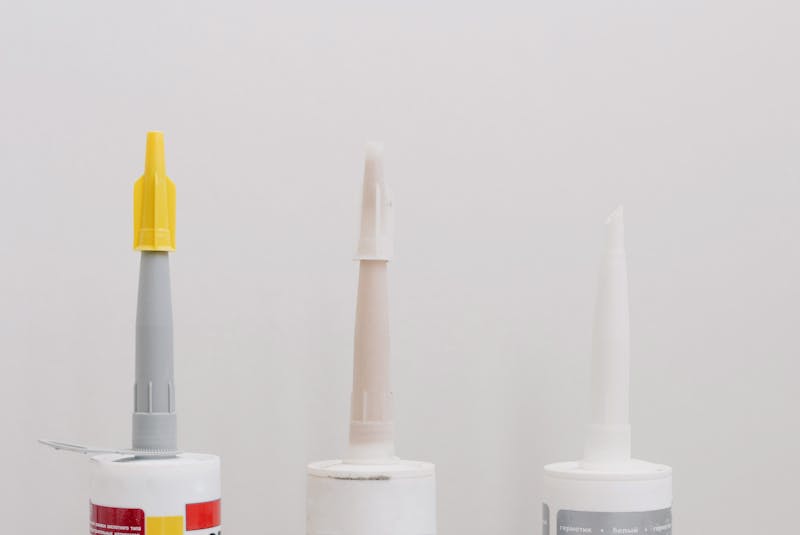
The best roof sealant is the one approved for the defect and every material it touches. A pail intended for a sound low-slope membrane is not a larger version of flashing caulk, and neither product can repair rotten decking or replace missing flashing.
Use the matrix below to identify the right product family first. Then confirm the exact technical data sheet, safety data sheet, roof-system instructions, and warranty before buying.
Best roof sealant or coating by job
| Job, substrate, and defect | Best starting category | Current example | Do not use it when |
|---|---|---|---|
| Small crack or patch on a listed asphalt, modified-bitumen, metal, or masonry surface | Rubberized asphalt flashing cement | Henry 208R or KARNAK 19 Ultra | The component is loose, rotten, incorrectly lapped, or needs replacement |
| Narrow moving joint at compatible shingles, coated metal, concrete, or trim | Exterior elastomeric cartridge sealant | Geocel 2300 Roof Tripolymer | Either substrate is unlisted, the joint is traffic-bearing, or old sealant remains |
| Sound low-slope roof with positive drainage | Manufacturer-approved acrylic coating system | Henry 587 Dura-Brite where its data sheet permits | Water ponds, insulation is wet, the membrane is unsound, or adhesion fails |
| Sound low-slope roof with recurring ponding | Coating specifically labeled for permanent ponding on that substrate | GacoFlex S20 silicone where its specification permits | Drainage or structural defects have not been assessed |
| EPDM, TPO, or PVC seam or puncture | The membrane manufacturer’s approved cleaning, primer, tape, and patch system | System-specific repair materials | A generic “liquid rubber” lacks written approval for the membrane |
| Installed asphalt shingles | Replacement shingle, flashing repair, or an expressly approved spot-repair product | Follow the shingle maker’s instructions | The proposal is to roll a field coating over the whole shingle roof |
If you still need to identify the defect, start with our roof cement vs roof sealant guide. Product selection comes after diagnosis.
How these products were selected
This is an editorial comparison of current published documentation, not a claim of first-hand testing. We reviewed intended uses, listed substrates, preparation, application limits, coverage or film-thickness instructions, safety information, and warranty conditions as of August 14, 2026.
We did not rank by star ratings or affiliate payout, and we removed shelf-price estimates. A meaningful price comparison must use the same date, container size, required primer and accessory system, waste factor, number of coats, and warranted dry-film thickness. Without those controls, a low price per gallon can be misleading.
Best for asphalt-compatible spot patches
Henry 208R Rubberized Wet Patch
Henry’s current 208R technical data sheet lists holes, cracks, and splits on composition, mineral-surface cap sheet, asphalt-coated, SBS-modified, metal, and masonry roofs. It also lists openings around flashing, chimneys, vents, skylights, metal edging, and gutters.
That makes 208R a defensible emergency or detail-patch option when the listed assembly permits asphalt cement. Its wet-adhesion claim does not mean a soaked roof is safe to access, that trapped water can be sealed into an assembly, or that a failed component should be buried under mastic.
KARNAK 19 Ultra
KARNAK 19 Ultra is another rubberized flashing cement labeled for repairs on shingles, concrete, metal, asphalt roofs, and SBS or APP modified-bitumen details. The manufacturer specifies an average 1/8-inch application and reinforcing fabric for larger cracks, breaks, and blisters.
These two products show why coverage is detail-specific. A troweled patch at a stated thickness cannot be compared with the lineal coverage of a cartridge bead.
Best for a flexible roof joint
Geocel 2300 Roof Tripolymer Sealant
The current Geocel 2300 Roof Tripolymer product page lists asphalt shingles, coated steel, concrete, vinyl, steel, and other common roofing substrates. It is elastomeric, UV resistant, paintable, and may be applied over itself; the manufacturer excludes traffic-bearing surfaces, acrylic skylight glazing, interiors, and potable-water uses.
That profile suits a narrow compatible joint that needs flexibility, not a whole-roof restoration. Verify joint geometry and both adjoining materials, remove failed sealant, and make a test application where adhesion is uncertain. A bead across the face of loose counterflashing is not a substitute for fastening or relapping it correctly.
Best for a sound low-slope roof with good drainage
Acrylic coating system
Acrylic coatings can be a practical reflective restoration layer where the roof drains, the substrate is listed, and the application window allows water to leave the film during cure. Henry 587 Dura-Brite is a current high-solids acrylic example, but the product name alone does not establish compatibility.
Before specifying any acrylic, check:
- Whether the existing membrane and prior coating are listed
- Required cleaner, primer, seam treatment, and adhesion testing
- Minimum ambient and surface temperatures plus the rain-free window
- Coverage for each coat and required final dry-film thickness
- Ponding-water limitations and excluded roof conditions
If drainage is uncertain, use our silicone vs acrylic roof coating comparison before selecting a chemistry.
Best for a qualifying roof with recurring ponding
GacoFlex S20 silicone system
Gaco’s current S20 product documentation expressly states that the cured coating withstands permanent ponding water. It lists pre-existing elastomeric coatings, metal, built-up roofing, mineral cap sheet, weathered EPDM and TPO, and spray polyurethane foam among its maintenance-coating uses.
That is product-specific evidence, not permission to assume every silicone accepts every roof. Gaco publishes separate specifications for single-ply, metal, asphaltic, foam, and recoat assemblies, with different preparation, primer, coverage, and warranty requirements. A wet-adhesion test and moisture survey may rule out coating even when the substrate type appears on a list.
Silicone also changes future maintenance. Repairs and recoats normally need compatible silicone materials and verified adhesion. If reflective performance is part of the goal, compare current ratings in our cool roof coatings and energy savings guide.
Best for EPDM, TPO, or PVC damage
For a seam, puncture, or flashing defect in a single-ply membrane, the best starting point is the roof-system manufacturer’s repair detail. These systems commonly pair a specified cleaner or primer with pressure-sensitive tape, uncured flashing, or a compatible membrane patch.
Avoid choosing a generic brush-on “liquid rubber” because its marketing lists EPDM or TPO. The roof manufacturer may require a particular patch shape, corner radius, lap, roller pressure, primer, or seam sealant to retain warranty coverage.
Three checks before any purchase
- Confirm the roof is sound. Coatings do not fix saturated insulation, corrosion, rotten decking, unstable blisters, or structural ponding.
- Confirm written compatibility. Match the exact product, primer, substrate, existing coating, and repair accessory—not just broad chemistry names.
- Confirm the installer’s path to warranty. Manufacturer warranties may depend on approved specifications, registered systems, qualified contractors, inspections, and documented film thickness. A “20-year” label is not automatically a 20-year warranty for a DIY application.
Read the current safety data sheet as well. Solvent-containing cements and sealants may require ventilation, ignition control, and specific protective equipment. Roof access adds a separate fall hazard; a product labeled for wet application does not make a wet roof safe to walk.
The bottom line
Choose by defect, substrate, movement, drainage, and system approval. Use flashing cement for a listed patch, an elastomeric cartridge sealant for a listed moving joint, and an approved coating system only across a sound low-slope roof.
When the defect is widespread or the roof assembly is wet or failing, stop shopping for a sealant and get a repair or replacement scope from a qualified roofer.
Sources

Shingle Science Editorial Team
Independent trade-focused editorial team